




 Samantha Impaglia
Dangerous rip currents have occurred at the Jersey Shore over the past week, with dozens of rescues and two fatalities occurring both last week and this past weekend. As Hurricane Erin moves up the coast and the life-threatening currents continue, several Jersey Shore beaches have put up red flags or closed beaches completely. To help residents and visitors stay safe at the shore, we’ve covered everything you need to know about rip currents and how to protect yourself and others if you get caught in one. Read on for more about the current status of rip currents at the Jersey Shore this summer, and how to stay safe.
The Current Status at the Shore
The beaches of the Jersey Shore have seen dangerous rip currents over the last week, resulting in two tragic fatalities. A 31-year-old man from Trenton passed away after getting caught in a rip current with several others in Seaside Heights on Monday, August 11th, about two hours after the lifeguards left for the day. Just a few days later, on Friday, August 15th, also after lifeguards had left for the day, a 13-year-old girl passed away after being found unresponsive off 7th Avenue Beach in Belmar after getting caught in a rip current. A second person was rescued from the water shortly before that. There were dozens of other rescues performed along the Jersey Shore over the past few days due to these dangerous currents.
Read More: Beach Replenishment Funding at the Jersey Shore: What’s Going On
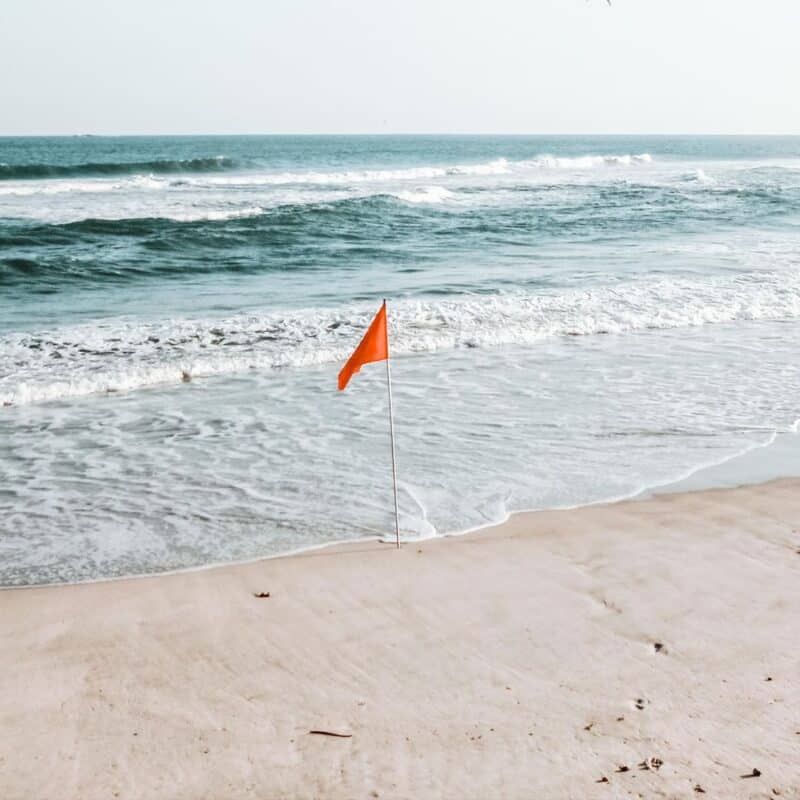
The arrival of Hurricane Erin off the East Coast is only making the currents worse and will continue to do so over the next few days. Several Jersey Shore towns, including Belmar, Bay Head, and Wildwood, have put up red flags, rip current statements, and banned all swimming as the ocean becomes extremely dangerous due to the Category 4 hurricane off the coast.
While forecasters don’t expect Hurricane Erin to reach the coast of New Jersey, it is affecting the currents in the ocean, causing the dangerous rip currents and swells all along the East Coast. Beachgoers are being urged to stay out of the water until the ocean returns to normal.
New Jersey Governor Phil Murphy released the following statement via X concerning Hurricane Erin on August 18th:
“The impacts of Hurricane Erin will be felt across the Jersey Shore over the next several days, generating dangerous rip currents and high waves.
As conditions worsen, we urge residents and visitors to avoid wading and swimming in the ocean, especially when lifeguards are off duty.”
This post will be updated with any further details as it is announced.
What is a Rip Current?
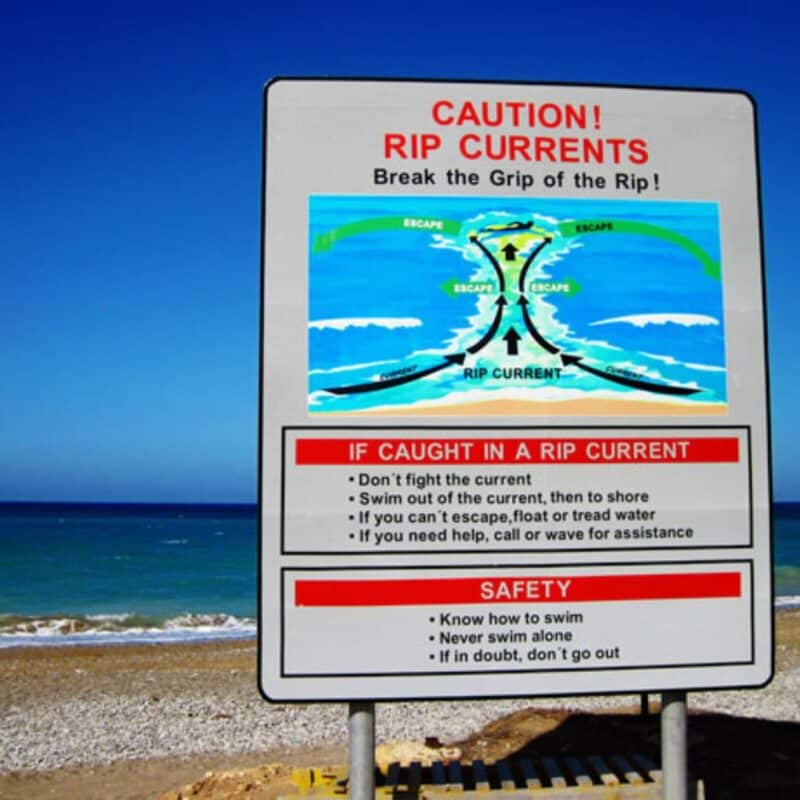
Photo Credit: Public Domain
Rip currents are powerful, narrow channels of fast-moving water, per the National Oceanic + Atmospheric Administration (NOAA). These channels of water are extremely dangerous and can move at speeds of up to eight feet per second. Rip currents are most prevalent along surf beaches, including the East, West, and Gulf coasts of the United States, as well as the Great Lakes. Per the United States Lifesaving Association (USLA), rip currents are common in sandbars, jetties, and piers, but can happen at any area of a surf beach. The currents can be both narrow or more than 50 yards wide. It’s important to note that rip currents do not pull people under the water, but pull them away from the shore.
While rip currents are hard to detect from eye level, an aerial view shows just how dangerous these currents are. Some signs of a rip current include a narrow gap of darker and seemingly calmer water in between the surf, a channel of churning + choppy water, and a line of foam, seaweed, or debris moving seaward.
The National Weather Service tracks all surf zone fatalities in the United States and Puerto Rico yearly — out of the 52 reported incidents in 2025, 25 of these fatalities have been from rip currents. There are an estimated 100 rip current deaths in the United States each year. The sign above shows how rip currents work, in which water is pulled out to the ocean at a rapid pace, making it tough to escape if you try to swim back to shore in the same direction. See the next section for how to protect yourself if caught in a rip current.
How to Protect Yourself
Since rip currents pull people away from the shore at a rapid pace, it’s important to know exactly what to do if you find yourself in this situation. It’s worth noting that the best way to protect yourself from rip currents is not to enter the water when it is known that there is a high risk of rip currents. Always stay up-to-date with your local beaches and be aware of any red flags or rip current warnings, and always swim in lifeguard-protected areas. It also doesn’t hurt to consult a lifeguard about whether or not it is safe to enter the water if you’re unsure.
So, what can you do if you get caught in a rip current? The most important thing is to try to remain calm, as swimming against the current will only make it worse. And remember, rip currents do not pull you under; they just pull you further out. If you see someone caught in a rip current, seek help from a lifeguard or call 911 immediately instead of entering the situation. You can also try to throw the victim something that floats, if possible. The USLA has several other tips for beachgoers if caught in a rip current:
- You may be able to escape by swimming out of the current in a direction following the shoreline, or toward breaking waves, then at an angle toward the beach.
- You may be able to escape by floating or treading water if the current circulates back toward shore.
- If you feel you will be unable to reach shore, draw attention to yourself. If you need help, yell and wave for assistance.
See More: Hurricane Forecast for 2025: What to Know + How to Prep in New Jersey
Follow @thejerseyshoregirl_ on Instagram for the latest Jersey Shore updates, sign up for our weekly newsletter here that shares everything you missed each week, and check out our events calendar, which has over 40+ events weekly to peruse.