




 Jessica Norton
The Jersey Shore may be known for its sunny beach days and boardwalk fun, but when hurricane season hits, storm prep becomes a top priority. With its miles of coastline and bayside communities, the shore is especially vulnerable to flooding, high winds, and storm surges. From stocking up on essentials to knowing evacuation routes and staying informed through local alerts, preparation can make all the difference. Whether a full-time resident or a seasonal visitor, it’s important to have a plan in place before a storm hits. Here’s a guide to hurricane prep + storm resources at the Jersey Shore.
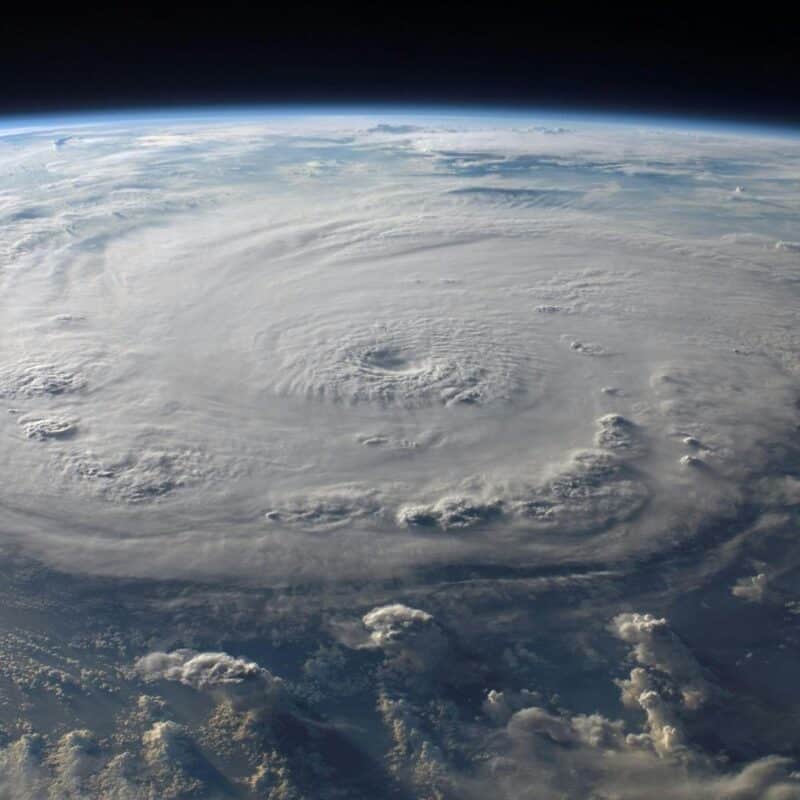
Hurricane season at the Jersey Shore lasts from June 1st to November 30th. New Jersey’s tropical storm activity typically occurs between August and late October. A tropical storm watch means tropical storm conditions with winds between 39 and 73 mph could affect an area within 48 hours. A tropical storm warning means these conditions are expected within 36 hours. A hurricane watch is issued when hurricane conditions, with winds of 74 mph or higher, are possible within 48 hours. A hurricane warning means hurricane conditions are expected within 36 hours. In coastal areas, a hurricane warning can remain in effect, even after winds ease, if dangerously high water and large waves persist.
Read More: A Guide to Wildfire Resources at the Jersey Shore
Hurricane Hazards
- High winds: Hurricane-force winds have the power to devastate buildings and homes. Flying debris, like signs, roofing materials, and loose objects left outdoors, can lead to significant damage when picked up by hurricane winds. Additionally, the widespread destruction of trees, towers, water and utility lines, and fallen poles can cause major disruptions to communities at the Jersey Shore.
- Storm surges: A storm surge is a dome of water, often 50 to 100 miles wide, that sweeps across the coastline along and to the right of where the eye of the hurricane makes landfall. According to the National Hurricane Center, a storm surge is often the greatest threat to life and property from a tropical storm or hurricane and directly accounts for about half of the deaths associated with tropical cyclones in the United States.
- Flooding: A flash flood occurs within a few hours (usually less than six hours) of heavy or excessive rainfall. The National Weather Service reports that more than 50% of all flood fatalities are vehicle-related because drivers never know how deep the water is or if the road has been washed away or compromised beneath the water. The phrase “turn around, don’t drown” is a safety campaign slogan developed by the NWS to warn people about the dangers of driving or walking through floodwaters.
- Tornadoes: Hurricanes can also produce tornadoes as they move onto land. These tornadoes add to a hurricane’s destructive power and can cause substantial damage.
- Rip Currents: Unlike the other hazards associated with hurricanes, rip currents can be a threat days in advance of a hurricane and cause deaths even when there is no threat of a hurricane strike in the area. A rip current is often not seen by a swimmer before being caught in its grip. They can be present on what appears to be a perfect day at the beach with bright sunny skies and no obvious hint of danger.
How To Prepare For A Hurricane
New Jersey residents are no strangers to hazardous weather. From extended power outages and flooding to evacuations, property damage, and debris, many have felt the lasting effects of severe storms in our shore towns. While we can’t prevent natural disasters, there are proactive steps that can be taken to stay safer and more comfortable when extreme conditions strike. The New Jersey Office of Emergency Management (OEM) has a downloadable guide for being prepared.
Stay Informed
Start by staying informed through both traditional news sources and social media. Use credible websites to get information about natural hazards and emergency preparedness.
- National Weather Service Philadelphia/Mt. Holly
- National Weather Service NYC (North East NJ Counties)
- National Hurricane Center
- New Jersey Office of Emergency Management (OEM)
- Facebook: New Jersey Office of Emergency Management
- X: New Jersey Office of Emergency Management
- Instagram: New Jersey Office of Emergency Management
- Subscribe to the NJ State Police on Nixle Connect
- Opt in to receiving National Weather Service text alerts
Other Resources
- Ocean County Sheriff/Emergency Management Office
- Asbury Park OEM
- Point Pleasant Beach OEM
- Ocean County OEM: 800‑331‑8152
- Ship Bottom (LBI) OEM
- JCP&L (outages): 1‑888‑LIGHTSS (1‑888‑544‑4877)
- NJNG (gas leaks): 1‑800‑GAS‑LEAK (City of Asbury Park)
- 911 for emergencies; non‑emergency/police: 732‑892‑0500
- AM 1630 broadcasts local emergency info
Make A Plan
Talk with family + loved ones about hurricanes and other natural hazards and create plans to stay connected in case of evacuation. Setting up a family communications plan ahead of time will make sure family members can connect as easily and quickly as possible. Be sure to consider pets and those who may need extra help, such as elderly relatives, neighbors in need of assistance, or those with disabilities. New Jersey has a registry specifically for individuals with special needs.
Build A Hurricane Kit
The New Jersey Office of Emergency Management suggests putting together a hurricane kit, which includes two weeks’ worth of emergency supplies. These kits should be stored in a convenient place known to all family members and should also be portable in case an evacuation is in order.
- The basics of a hurricane kit include flashlights, batteries, first aid materials, a fire extinguisher, phones and backup chargers, prescriptions, water, canned and dried food, clothes, blankets, pillows, sheets, and toiletries.
- Important papers and documents like social security cards, birth certificates, insurance policies, inventory of household goods, hard drives, and photos should also be stored in a hurricane kit.
What To Do During An Evacuation
- If instructed to evacuate, do so immediately.
- It is important to have cash on hand. If the power is out, ATMs and credit card machines will likely not be accessible.
- Check in on friends and neighbors with functional needs.
- Have extra medications on hand and keep them in water-resistant containers.
- Collect vital records and insurance papers. Store them in a water-resistant container or scan and email copies to ensure access to important numbers and policies later on.
- Do not use a generator inside homes, garages, crawlspaces, sheds, or similar areas, even when using fans or opening doors and windows for ventilation. Deadly levels of carbon monoxide can quickly build up in these areas and can linger for hours, even after the generator has shut off.
- Unplug appliances + shut off gas, electric, and water valves.
- Lock up your home before you leave.
See More: A Guide to the Best New Jersey Boardwalks
Historic Jersey Shore Hurricanes + Tropical Storms
The Jersey Shore has experienced several significant hurricanes and tropical storms over the years, each leaving its mark on the region. One of the most devastating was Hurricane Sandy in 2012, which brought a catastrophic storm surge and permanently changed the coastline forever, even destroying parts of the boardwalk in towns like Seaside Heights and Point Pleasant. Sandy left millions without power. Just a year earlier, in 2011, Hurricane Irene swept through as a Category 1 storm, causing widespread flooding and power outages across coastal and inland communities. In 2020, Tropical Storm Isaias brought strong winds, tornado warnings, and downed trees, resulting in hundreds of thousands of power outages throughout the state. Going back further, Hurricane Gloria in 1985 brushed the Shore with powerful winds and coastal flooding, while Hurricane Donna in 1960 passed offshore but still caused significant beach erosion and gusts over 100 mph. Even earlier, Hurricane Doria made a rare direct landfall in New Jersey in 1971 as a tropical storm, bringing heavy rain and localized flooding. These storms are reminders of the Jersey Shore‘s vulnerability to tropical systems and the importance of being prepared each hurricane season.