



 Sarah Griesbach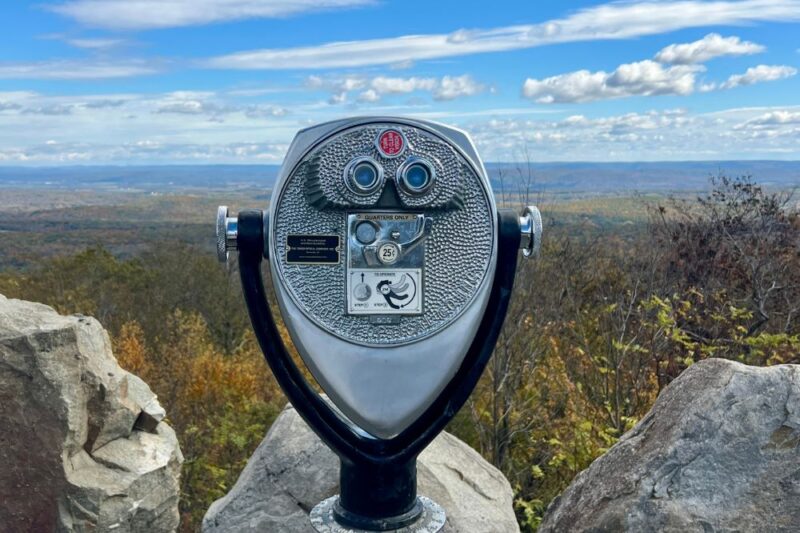
The aptly named High Point State Park is a great destination for gorgeous views and fun activities. This Sussex County park has lots to do in every season, with 16,000 acres of hiking and snow-shoeing paths, campsites, picnic areas, cross-country ski runs, stocked lakes for fishing, spectacular vistas, plus a sweet little boardwalk and beach for swimming. Read on to plan a trip to stay and play in this historic state park.
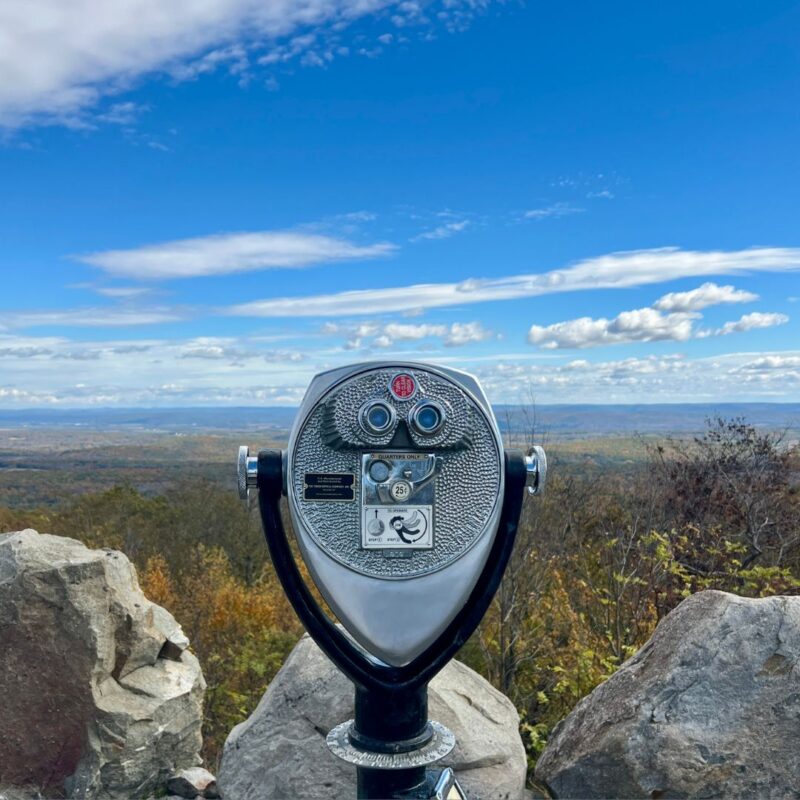
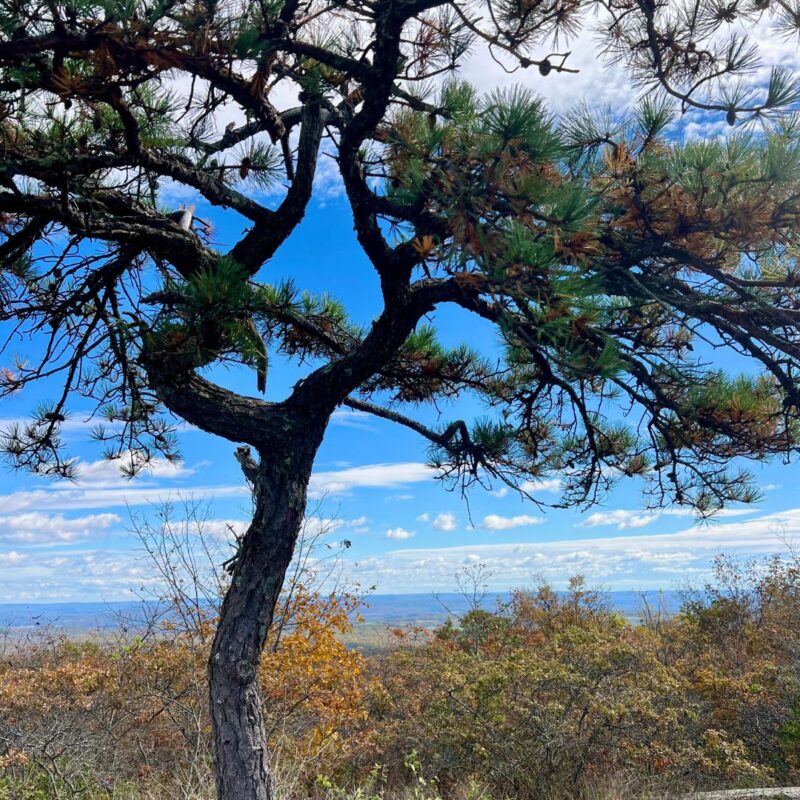
At 1,803 feet above sea level, the summit of the Kittatinny Ridge sits at the highest elevation in the state, providing an unrivaled vantage point from which to take in scenic views of New Jersey, New York, and Pennsylvania. The Kittatinny Ridge is a geological wonder: continental collisions crumpled the Earth’s crust 450 million years ago. The grinding force of mile-high ice sheets and centuries of erosion pushed soil and rock into the unbroken chain of forested mountains that make up the 1,500-mile-long Appalachian Mountain Range.
Atop the mountain’s summit is the High Point Monument. Built in 1930 to commemorate New Jersey veterans of all wars, the monument dedication reads “To The Glory and Honor and Eternal Memory of New Jersey’s heroes by land, sea, and air, in all wars of our country.” The tip top of the 220-foot-high structure presents stunning views of the Pocono Mountains toward the west, the Catskill Mountains to the north, and the Wallkill River Valley in the southeast. The 220-foot obelisk towers majestically over the swimming beach and campgrounds below. Read More: Where to Go Hiking in the Montclair Area
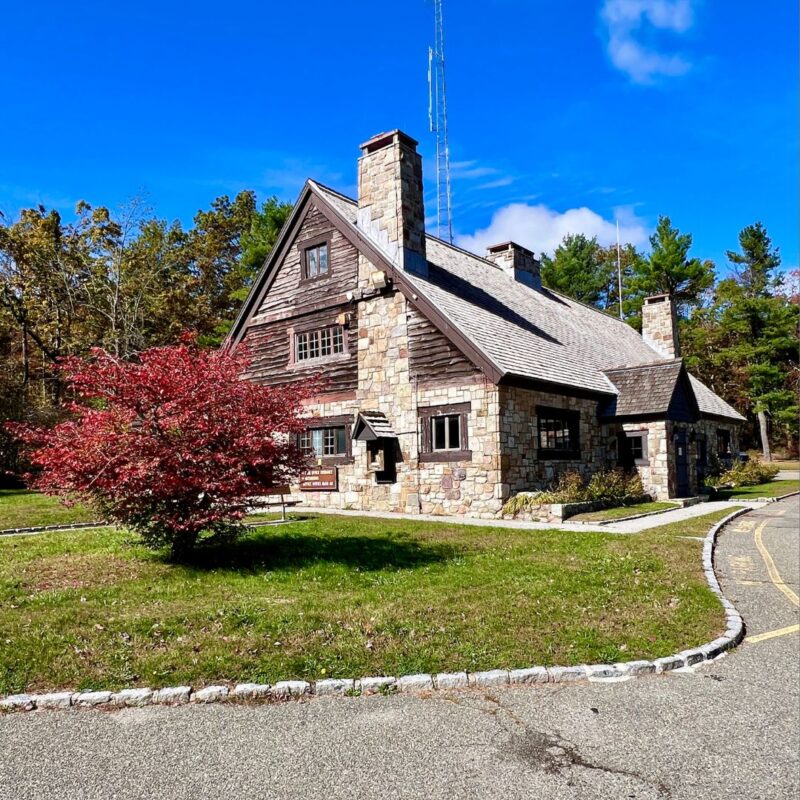
Much of the stonework and many of the roads within the park were laid by young men of the Civilian Conservation Corps (CCC). The CCC was a New Deal government program designed to improve the US infrastructure through the employment of young men during the Great Depression. Scores and scores of our historic New Jersey bridges, roads, trails, and parks can be attributed to that grand program. In the years between 1933 and 1942, CCC boys cleared High Point trails and built campsites, campground shelters, and other structures connected by 25 miles of park roads.
What to do at High Point State Park depends on the season. The beach was developed in 1957. It’s set along the edge of Lake Marcia. Geological surveyor William Kitchell named the spring-fed lake for his beloved, Marcia (pronounced Mar-see-ah) Smith. The beach’s bathhouse and quaint boardwalk are well-maintained throughout the summer season. The park’s swimming area sometimes fills to capacity and closes to incoming cars. This is most likely on Memorial Day and Fourth of July holiday weekends, along with the hottest weather weekends of the summer. When park areas fill to capacity, individuals and groups with shelter and camping reservations are still admitted, so planning ahead is the best way to ensure success.
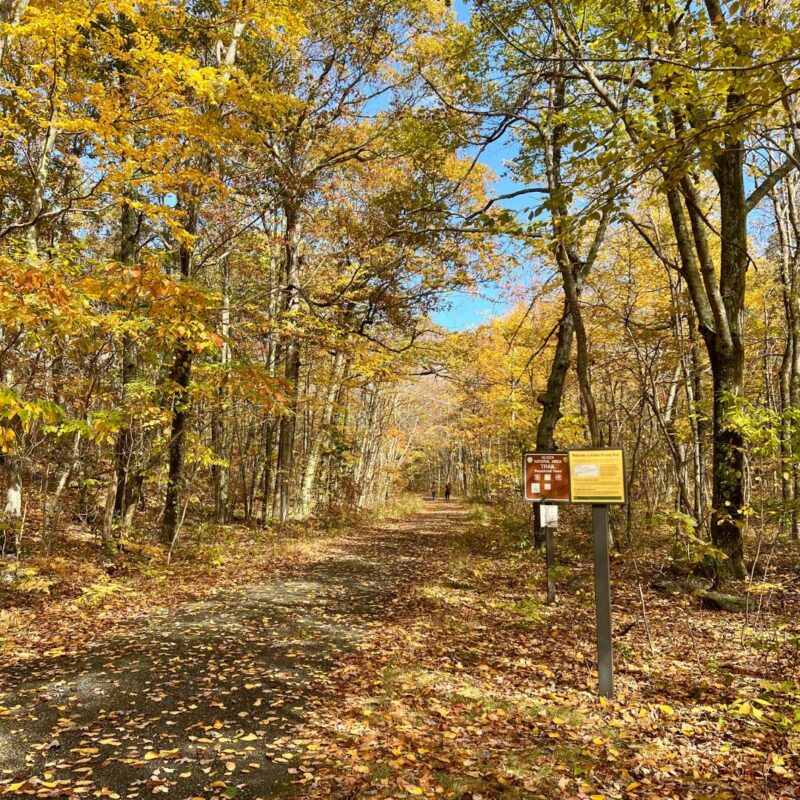
Over 50 miles of trails are open to hikers throughout the year. Eighteen miles of trail along the Kittatinny Mountain Ridge make up part of the Great Appalachian Trail that runs from Maine to Georgia. Trails throughout the park vary in length and can be used for hiking, mountain biking, horseback riding, cross-country skiing, and snowshoeing. The trails wind through Atlantic white cedar swamp, dense forests, fields, and wetlands.
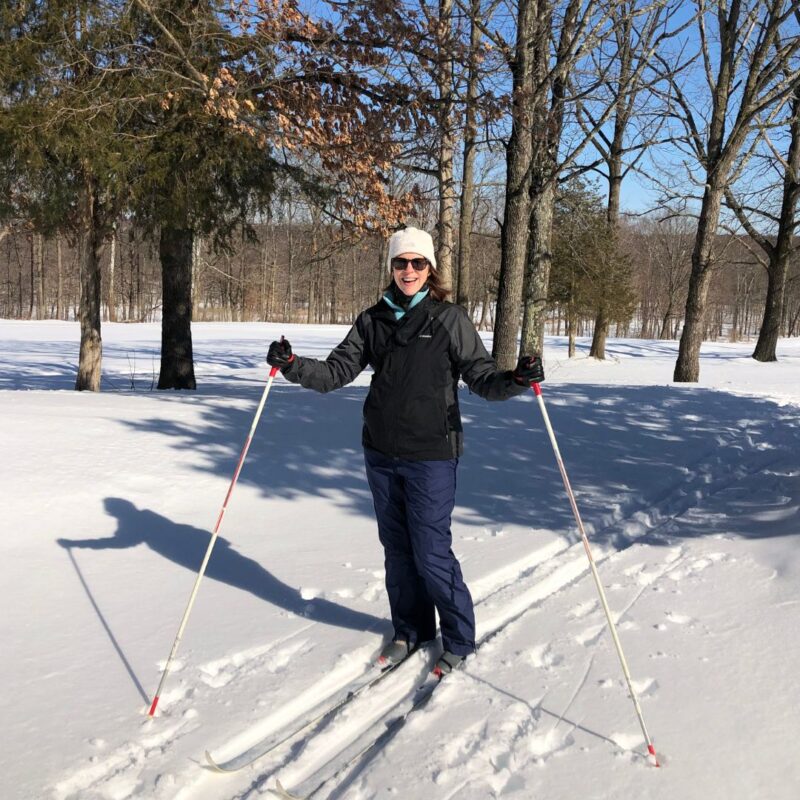
Cross-country skiing at High Point takes far less money, planning, and skill than the downhill version generally does. And it’s pretty dreamy to slide through the white snow-covered forests. The park has organized an easy ski rental system and keeps the ski trails in nice shape. Ski trail passes and ski rentals can be obtained at the High Point Cross-country Ski Center Lodge adjacent to Lake Marcia, with parking available in the Lake parking lot.
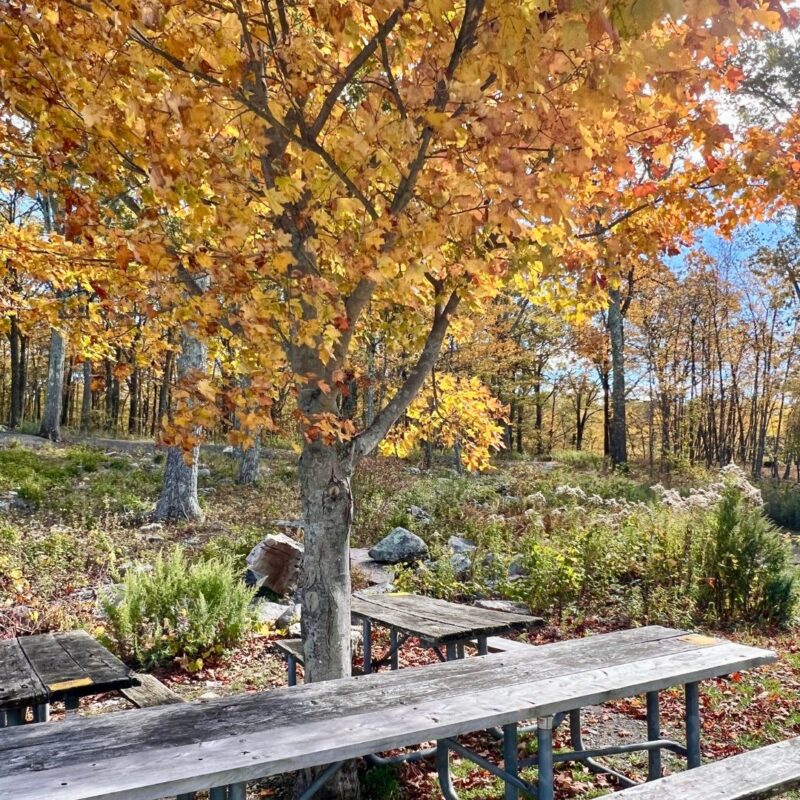
The 50 High Point State Park campsites are open from April 1 until October 31st. Set along Sawmill Lake, each has a fire ring, picnic tables, and space to accommodate two tents and up to 25 people. Flush toilets are typically a short walk away.
Two rentable six-person rustic cabins are nestled in the woods, looking out onto the eastern shore of Steenykill Lake. Both cabins have electricity, a basic living room with a woodstove, three bedrooms, a kitchen, and a bathroom. They are available from May 15 to October 15 for a mere $75 a night to NJ residents. A large group cabin with 28 bunk beds runs for $175 a night. Three overnight shelters sit along the stretch of the Appalachian Trail that runs within the park. All the overnight accommodations book up each year, so planning ahead is again advised.
The park is home to diverse ecosystems where uncommon plants take root and animals find refuge. White-tail deer, black bears, raccoons, bobcats, porcupines, wild turkey, opossum, red fox, painted turtles, various snakes, frogs, and salamanders all coexist in the area.
Well into the 1950s, visitors to High Point might have sought out the black bear that was kept caged in an exhibition of sorts, providing a glimpse of the then locally endangered animal. Today, the number of black bears in New Jersey is much larger and while bears do roam the park, none are caged. In fact, visitors might get a little nervous seeing the signs and pamphlets warning against getting close or running away from them. The general advice is to make loud bossy noises and stay calm while backing away if caught in the vicinity of one, but avoidance is the goal. Knowing they are present in the park is magical; seeing one is less grand.
The park’s lakes and streams are renowned for excellent fishing, including ice fishing in the winter. Sawmill and Steenykill Lakes are stocked with trout, largemouth bass, and you might find perch, sunfish, and pickerel. Boats are allowed on both of these lakes, though not on Lake Marcia. Deer hunters with permits can hunt in designated areas during appointed seasons.
Birding is a big win at High Point. Cerulean warblers, yellow-throated vireo, blackburnian warbler, veerie, or the wonderfully named yellow-bellied sapsucker are all spotable in the right season. Nesting songbirds, such as flycatchers, warblers, and thrushes are common, making it possible to bird by ear or by app. Cooper’s hawks and white-wing crossbills overwinter in the park’s rocky elevation.
The park’s Dryden Kuser Natural Area holds the world’s furthest inland Atlantic white cedar swamp. This cedar See More: New Jersey Trails Accessible by Public Transit to Take in the Fall Foliage
Follow @thebergencountygirl on Instagram for the latest Bergen County updates, sign up for our email list here that shares everything you missed each week, and check out our events calendar, which has over 30+ events weekly to peruse.
Getting Above It All
A Monument with a View



Gifts of the New Deal
Day Trips for Sport and Relaxation

Overnight Adventures
A Home for Plants and Wildlife
bog, along with the high-elevation ridgetop of Kittatinny Mountain, are of special interest to botanists due to the uncommon plant species found there. Sharp-eyed hikers might come across the endangered three-toothed cinquefoil, which is typically found in more northern or southern habitats, or carnivorous pitcher plants that are adapted to the acidic swamp soil. Natural wonder abounds throughout the reserve. As with the bears, however, caution is always in order. It is said that whistling in the Appalachian Mountains attracts supernatural beings. So, take that risk into consideration when venturing forth.