




 Sarah Griesbach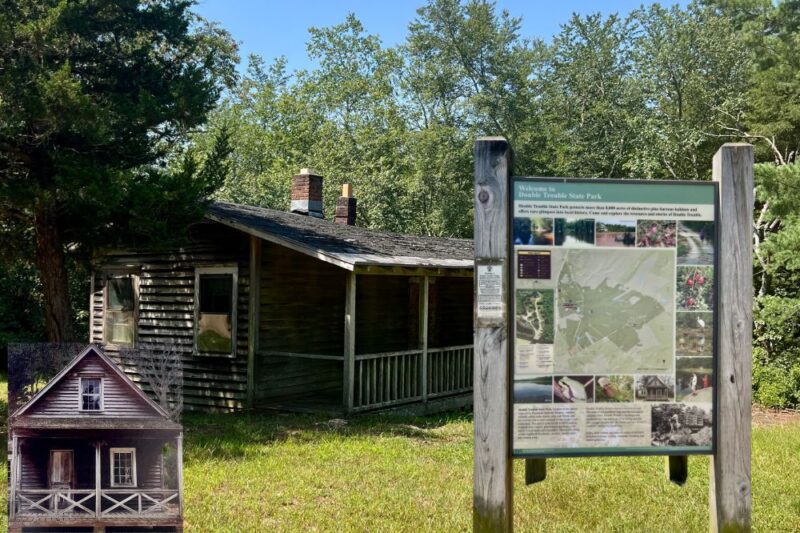
Double Trouble State Park, in Berkeley and Lacey Townships of Ocean County, was once a company town. The park’s lush and storied wilderness is a significant part of the greater Pine Barrens ecosystem. Now operated by the New Jersey Division of Parks and Forestry, Double Trouble is a great day trip destination for kayaking Cedar Creek, for walking the great hiking trails, and for learning about the unique story of the company-run village that is now an explorable ghost town. Read on to learn all about why Double Trouble State Park is a great place to spend a day learning New Jersey history while soaking in the park’s gorgeous Garden State beauty.
Double Trouble?
The park sign at Double Trouble provides a classic photo op for posing with a bestie. The origins of the fun company name are up for debate. Some say that sawmill operator Thomas Potter coined the phrase in response to a second leak opening up in the dam wall that served the saw mill after a heavy rain in the 1770s. By 1790, property deeds for the site officially identified it with the moniker.
in 1765, before the United States was established, the Pine Barrens location where Double Trouble State Park sits now was a burgeoning timber outfit. For centuries, the Atlantic white cedar that grows in the area has made it an important location in the state’s extensive lumber industry. By the middle of the nineteenth century, George Giberson employed 2,400 people processing trees and shipping them out as lumber.
A crucial element of the processing of woodland into timber was a water source capable of powering a sawmill. Cedar Creek provided that power. Harnessing the water’s kinetic energy made it possible to run the lumber mill machinery as well as to power the iron furnaces and the cranberry and blueberry processing plants that were built along the creek.
As acres of cedar were cut, the cleared swampland became bog habitat. By the 1860s, the swampy bogs proved perfect for converting the existing lumber company into a cranberry operation. In 1863, Ralph Gowdy, then a Union captain in the Civil War, planted the very first of what would be an extensive system of cranberry bogs. By the twentieth century, the Double Trouble Company, under the leadership of Edward Crabbe, would become one of the major growers of tart and delicious New Jersey cranberries.
Read More: The History Behind Oscar Wilde’s Trip to the Jersey Shore
What Was a Company Town?
The formation of a village around the workplace of the company served the needs of employees who couldn’t have found the time or means to leave the isolation of their work camp. It also kept the workers reliant on the company for absolutely everything. That dependency meant a stable and productive workforce for the company, but, historically, it often resulted in exploitation of those workers and their families. Today, walking amongst the long-abandoned buildings of this Pine Barrens ghost town sparks imaginings of families living in close quarters amidst the towering cedar trees in what is now the heart of Double Trouble State Park.
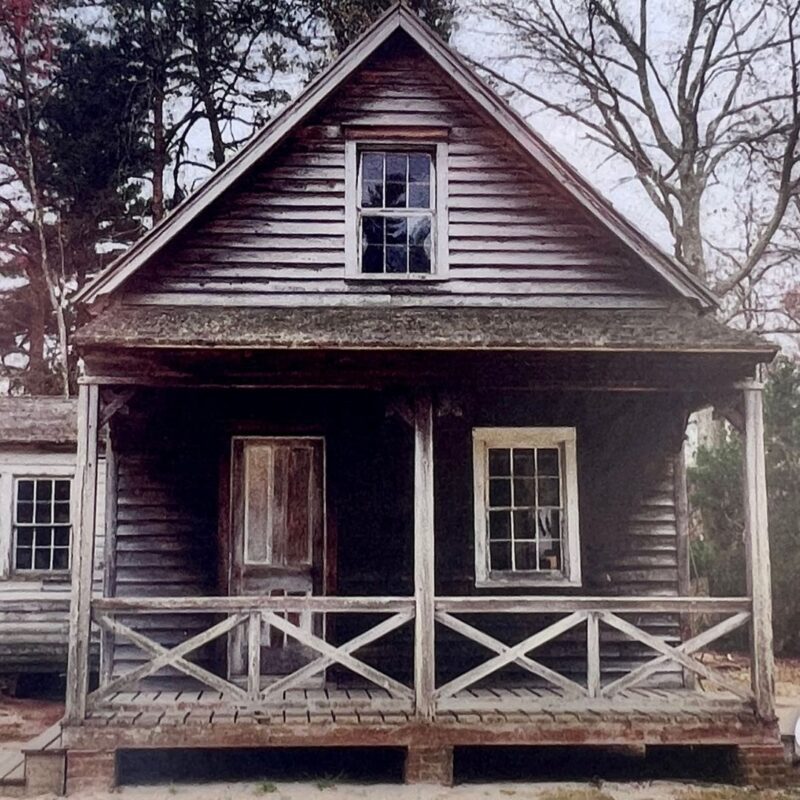
The Double Trouble Historic District is situated on about 200 acres of the eponymous state park. The historic site was once a village of workers who maintained the largest cranberry operations in Jersey. Today, that village is easily imaginable in the many time-worn buildings that remain.
There are 14 historical structures standing in the area where the old town bustled when the company was booming. The schoolhouse, which closed in 1915, was once teeming with kids who spent their hours outside the classroom working the cranberry bogs and felling trees alongside their Double Trouble Company-employed parents. The general store was the only option nearby for purchasing basic staples like fresh pork and canned fish, oatmeal, flour, sugar, tobacco, or candy.
At the center of town stood the building where the cranberries were sorted according to size and quality and then packed up for market. A barn-like structure, called the Jumper Building, was used for drying and sorting the berries. Bunk houses served as communal housing for workers. There’s a Pickers’ Cottage and a shower house that holds separate stalls for men and women with laundry sinks on the women’s side. The old blacksmithing and repair shop building is now home to the park operations and maintenance office.
Forest Bathing in the Pine Barrens
It is now well known that our mental and physical health improves when we spend time in nature. The 8+ miles of blazed trails laced throughout Double Trouble State Park make it an ideal destination for a forest fix. Those trails wind around the eerie abandoned company town and romantic old cranberry bogs. The fairly flat white sand roads follow old service roads past former cranberry bogs and reservoirs before looping back around to the historic village.
The trails are all multi-use — hiking, biking, horseback riding, cross-country skiing, snowshoeing — though the equipment required for all of that fun has to be brought in as there are no recreational rental services within the park. On-leash fur babies are welcome on all of the trails.
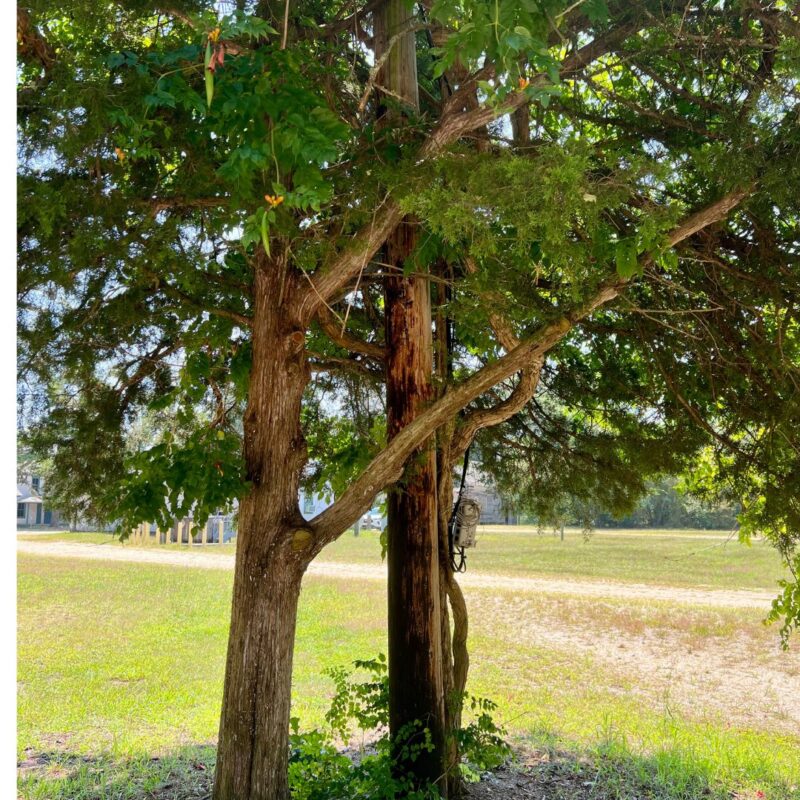
The park provides the protection and interpretation of over 8000 acres of the Pinelands National Reserve. Quiet, perceptive hikers might just spot pine barren tree frogs, bog turtles, and great egrets. Pretty pink lady’s slippers, mountain laurel, and other native shrubs and trees are marked on educational markers along the trails. There’s lots of information peppered throughout the park, siting ecologically significant plants like the sphagnum moss that creates the acidic environment that cranberries thrive in. Sphagnum moss keeps soil from erosion and holds several times its weight in water, which makes it a great flood prevention plant. The Lenni Lenape people once used the lush stuff to diaper their babies and taught the colonists who displaced them to use it as a cooling, anti-microbial dressing for wounds.
See More: 14 Historical Places in Northern New Jersey With Ties to America’s History
Cedar Creek: Fresh, Pure, + Golden Brown
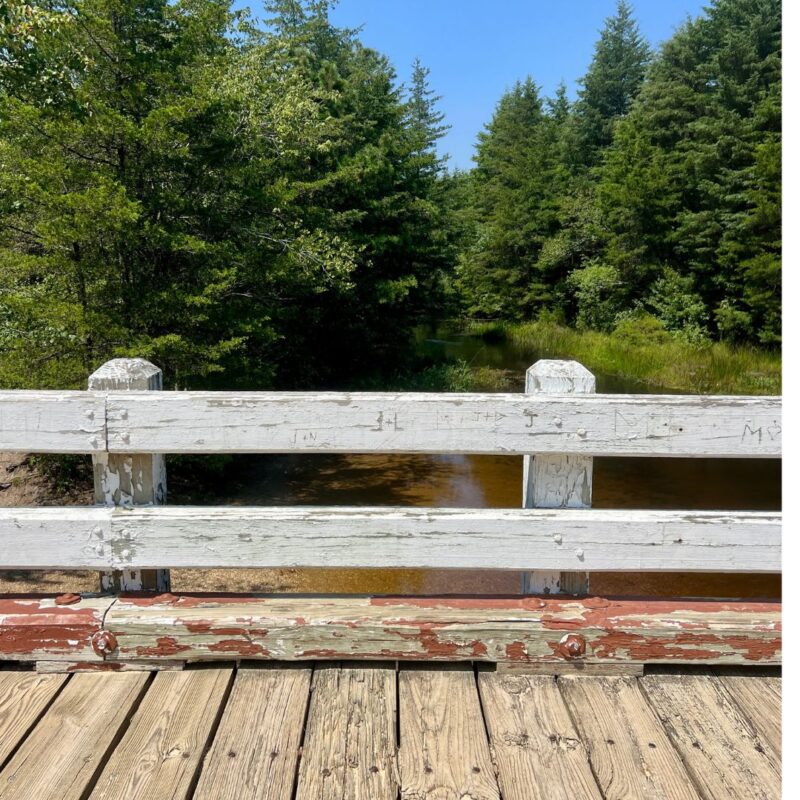
Like most Pine Barrens streams, the water of Cedar Creek is golden amber. The “tea color” is caused by tannic acid from the roots of the cedars lining the riverbanks. It doesn’t look fresh and pure, yet the water of Cedar Creek is exactly that! This pristine water gave the creek the alternate name of Clear Brook in the late 18th century. Today, the windy creek is a favorite for canoeists and kayakers, although swimming is prohibited.
Cedar Creek drains into Barnegat Bay and is part of the Barnegat Bay Watershed Management Area. It still provides the water required for the cranberry culture that thrives throughout the area. Cedar Creek is the home to complex ecosystems found in the Pine Barrens freshwater aquatic environment, and it supplies a pure source of water to the white-tailed deer, foxes, bobcats, voles, mink, northern pine snakes, and other local wildlife.
Destination: 581 Pinewald Kerwin’s Road, Bayville
There are parking lots near the creek at Dover Forge, at Ore Pond access points, and near the White Bridge in the historic village.
Follow @thejerseyshoregirl_ on Instagram for the latest Jersey Shore updates, sign up for our weekly newsletter here that shares everything you missed each week, and check out our events calendar, which has over 40+ events weekly to peruse.