



 Matt Stone
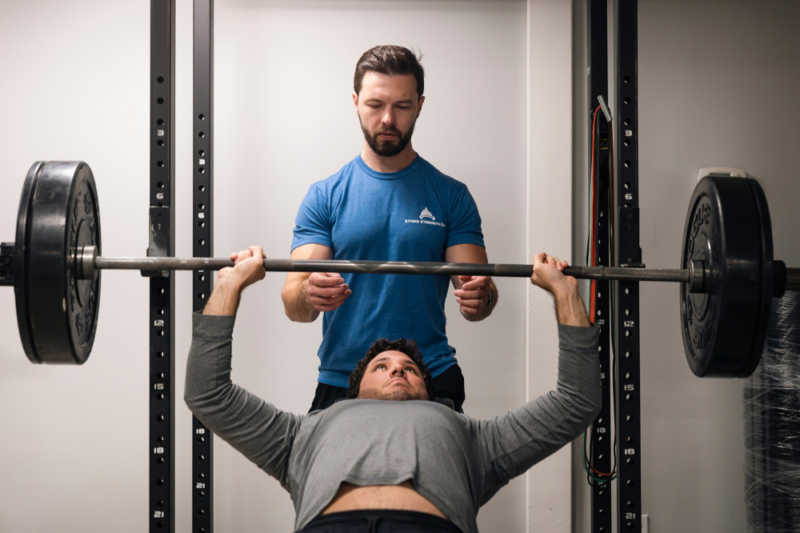
This article is sponsored by Stone Strength Lab
October 20 marks World Osteoporosis Day, an opportunity to bring attention to bone health and the steps we can take to protect it. One important tool is strength training. When people think about lifting weights, they usually picture building muscle. But your muscles aren’t the only tissues that respond to training. Your bones also adapt to the demands you place on them—and giving them a reason to stay strong is an important investment in your long-term health. Arlington-based fitness professional Matt Stone of Stone Strength Lab shares why strength training is so critical to prevent osteoporosis.
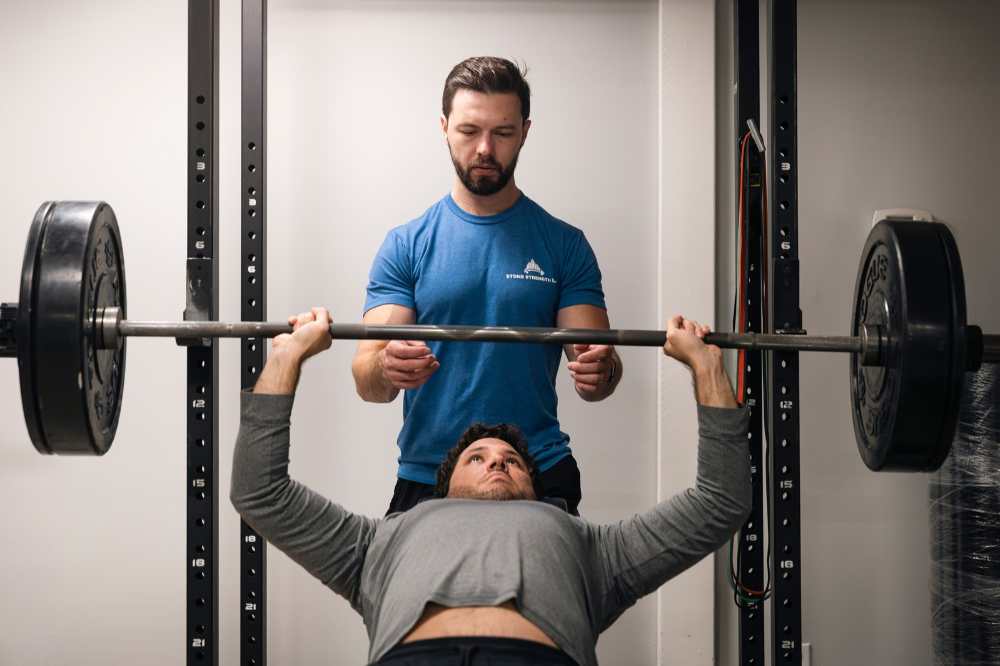
Image credit: Souf Photography
What Is Osteoporosis, and Why Does It Matter?
Osteoporosis is a disease characterized by reduced bone mineral density and deterioration of bone structure, making bones more susceptible to fractures. Your body constantly remodels your bones, breaking down older tissue through a process called resorption and replacing it with new bone. Aging and hormonal changes, particularly around menopause, can shift this balance so that bone breakdown outpaces formation. Some bone loss is common as we age, but osteoporosis is not inevitable. Fractures can affect mobility, independence, and your ability to keep doing the things you enjoy. Taking care of your bones matters well before a fracture occurs. The earlier we start to address bone health, the better, but it’s never too late to start.
How Strength Training Supports Bone Health
We cannot change our age, but we can influence the demands we place on our bodies. Strength training is one important way to give bones a stimulus to maintain or improve their strength.
Strength training involves working your muscles against resistance, using weights, machines, resistance bands, or your own body weight. When your muscles contract, they pull on your bones. Cells within bone sense mechanical loading and signal your body to reduce resorption and increase bone formation.


The important point is that the stimulus matters. Being active and training specifically to improve bone density are different goals. Some forms of exercise may be great for your health, but not provide the right type or amount of stimulus to promote bone growth.
Progressive resistance training allows you to provide the right type of challenge for your bones to get stronger. Appropriately selected impact exercises, such as jumps and other plyometrics, can also contribute to a bone-focused program. Research supports combining resistance and impact training to improve bone-density outcomes.
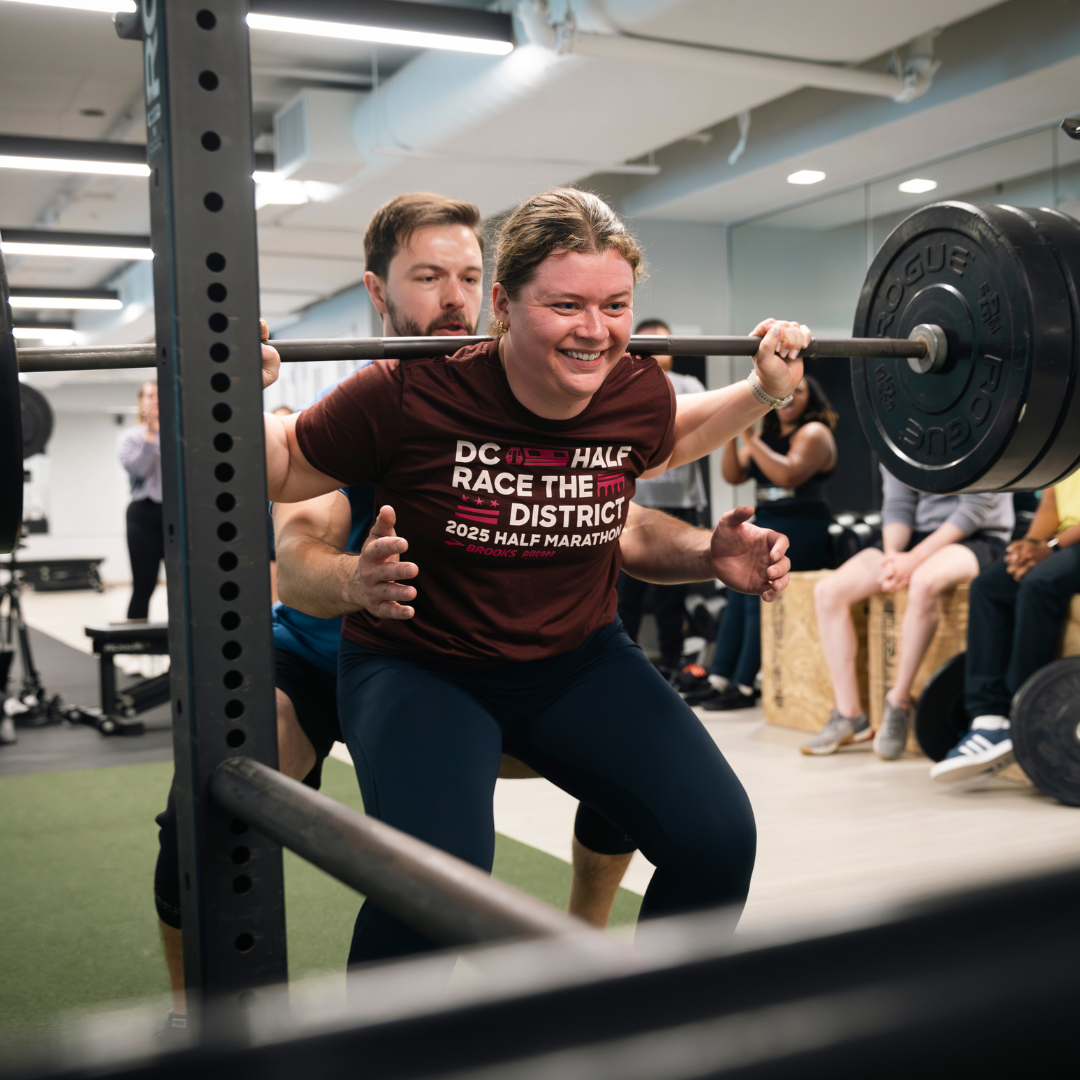 Image credit: Souf Photography
How to Strength Train Effectively
A well-structured program does not need to be complicated. These four principles provide a useful foundation.
1. Train the Major Muscle Groups
Thinking in movement patterns can simplify exercise selection. Across your week, include upper-body pushing and pulling, lower-body movements that emphasize the knees and hips, and exercises that develop trunk strength and control.
Examples include push-ups and overhead presses, rows and assisted pull-ups, squats and lunges, and hip hinges and bridges. Trunk exercises can include planks and movements that challenge your ability to resist rotation.
You do not need every exercise in every workout. The goal is to cover the major muscle groups across your week, using movements suited to your experience and health history.
2. Learn to Perform Your Exercises Well
Every body is different, so the same exercise will look slightly different from person to person. Don’t get too caught up in copying someone else’s exact stance or movement.
Instead, understand what the exercise is intended to accomplish. Move the weight with control and, importantly, try to take the muscle through a large range of motion. As your skill and confidence improve, you can gradually expand what you do.
A qualified coach can help you find suitable variations and learn how to progress them. If you have osteoporosis or a previous fracture, your program should account for your medical history and current capacity.
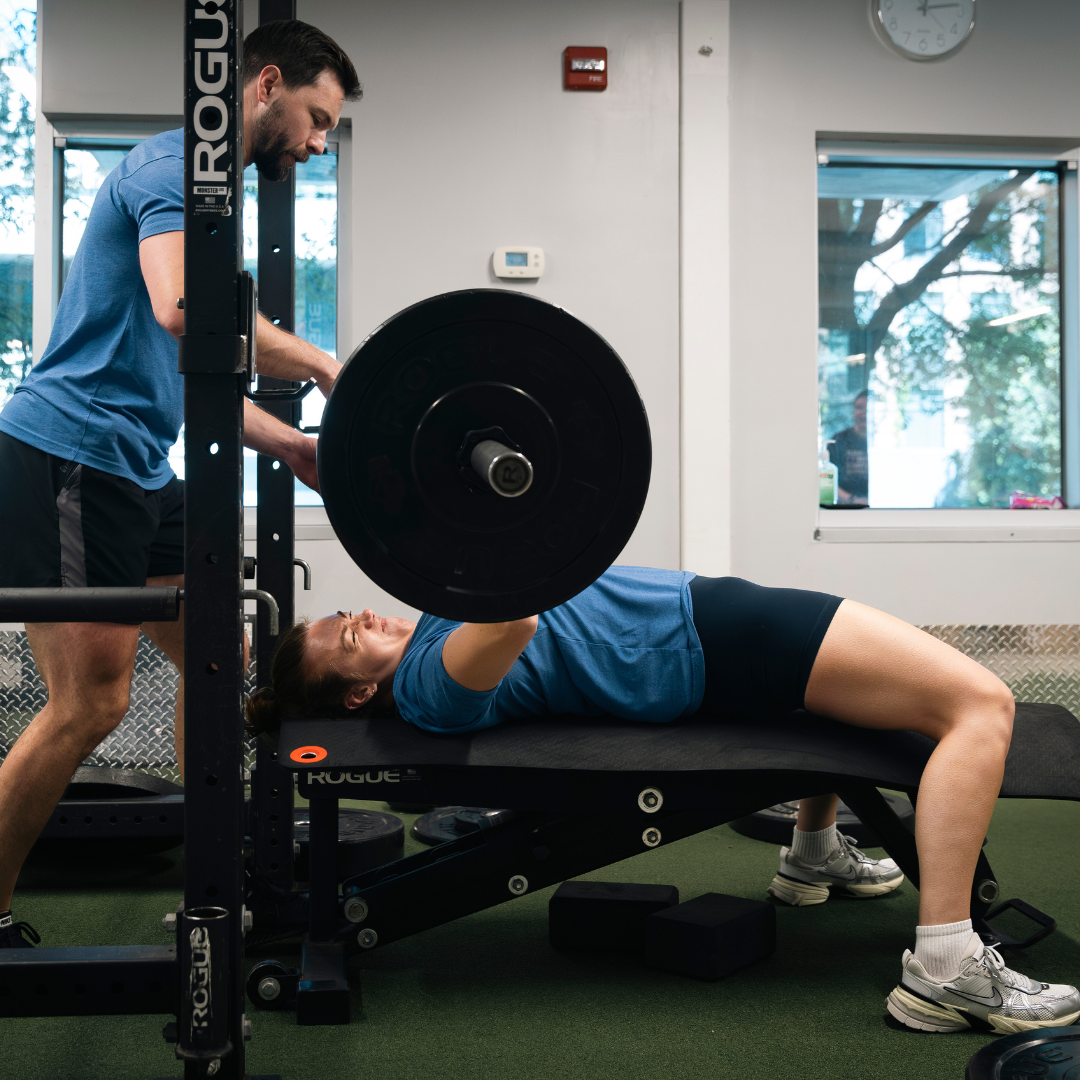 Image credit: Souf Photography
3. Provide Enough Stimulus to Adapt
Choosing good exercises and performing them well is only part of the equation. Your training also needs to provide a meaningful challenge.
Beginners should learn appropriate effort alongside technique. Start with manageable resistance, then build toward working sets that finish with only a few good repetitions remaining. That means you could complete a few more repetitions if needed, while maintaining the same technique.
Your workout does not need to crush you, but it should require effort. Like in other aspects of life, we do not improve by staying in our comfort zone. Some discomfort, but not pain, is an expected part of good training.
As you become stronger, you will need to increase the weight you’re lifting, or repetitions you are doing. If on a given program you are seeing improvements in strength and muscle development, then that is a good indication that your training is dosed appropriately to strengthen your bones as well.
4. Be Consistent
Even a thoughtfully designed program needs regular practice. Two strength sessions per week, with recovery time between them, can provide a practical starting point.
Find a routine you enjoy and can fit into your life. Any routine that you stick with is better than an “optimal” routine that you abandon. Record your weights and repetitions so you can recognize progress and make deliberate adjustments. Think in months of consistent training rather than judging the program by how tired one workout makes you.
Strength training is a foundational tool for supporting bone health and maintaining physical independence. If you have osteoporosis, exercise belongs within a broader plan that includes appropriate nutrition, guidance from your healthcare team, and medication when prescribed.
Stone Strength Lab is located at 2000 15th Street, N, in Arlington, VA.