



 Barrett Balzer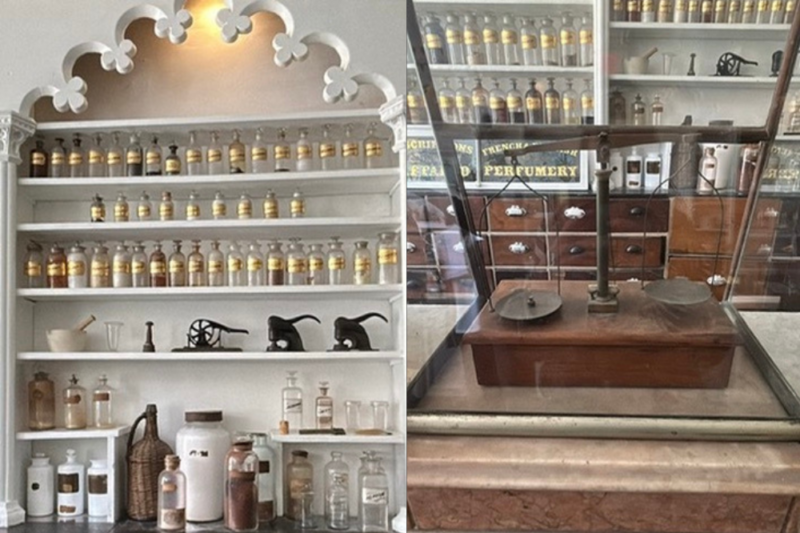
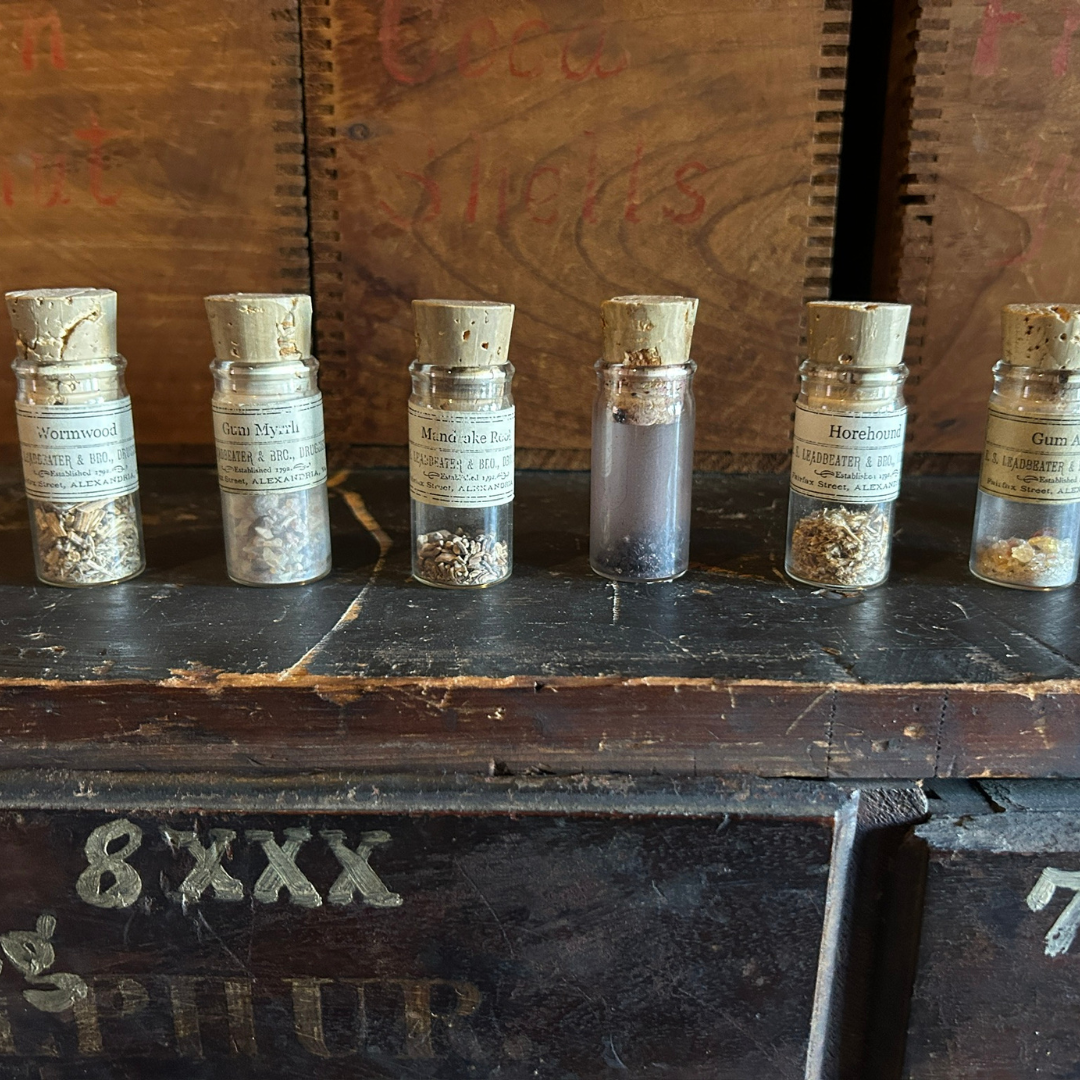
Some of the fantastical ingredients we read about in Harry Potter or other stories have their roots in traditional apothecary items: Dragon’s Blood is a tree native to Africa, Unicorn Root is a flower native to North America, parts of Asia, and Mandrake Root is native to the Mediterranean region. All of these, and then some, can be found at the historic Stabler-Leadbeater Apothecary Museum, located at 105-107 South Fairfax Street in Alexandria. This hidden gem in Old Town Alexandria lets patrons step into the pre-Civil War building and into the daily work of an apothecary. Read on to learn more about the Stabler-Leadbeater Apothecary Museum.
This is a Museum?
The Stablers rented the space in Alexandria in 1792 and officially bought the space in 1805. In 1829, Edward Stabler purchased 105 S. Fairfax and incorporated the building into what it is today. Things typically bought within the apothecary included not only medicine, but farm equipment, surgical tools, glasses, dental hygiene, soap, perfume, paint and varnish, combs and brushes, vials of poison, blood-letting devices, and so much more; they really were a jack of many trades.
After the death of William Stabler, his brother-in-law, John Leadbeater, who had trained as an apothecary and dentist, bought the business from William’s widow. At this point, the name was officially changed to the Stabler-Leadbeater Apothecary. The apothecary closed in 1933 after declaring bankruptcy. With the threat of regulations and chain drug stores, coupled with the Great Depression, it was unable to stay afloat.
The apothecary became a museum in 1933 after being bought at auction by L. Manue Hendler, and then a year later, donated the contents to the archives of the Landmarks Society. The city of Alexandria took possession of the building in 2006, after the Landmarks Society donated it and the contents, according to the City of Alexandria’s historical website.


Read more: Boulevard, a New Beach Club-Inspired Bar + Restaurant, Opens in Clarendon
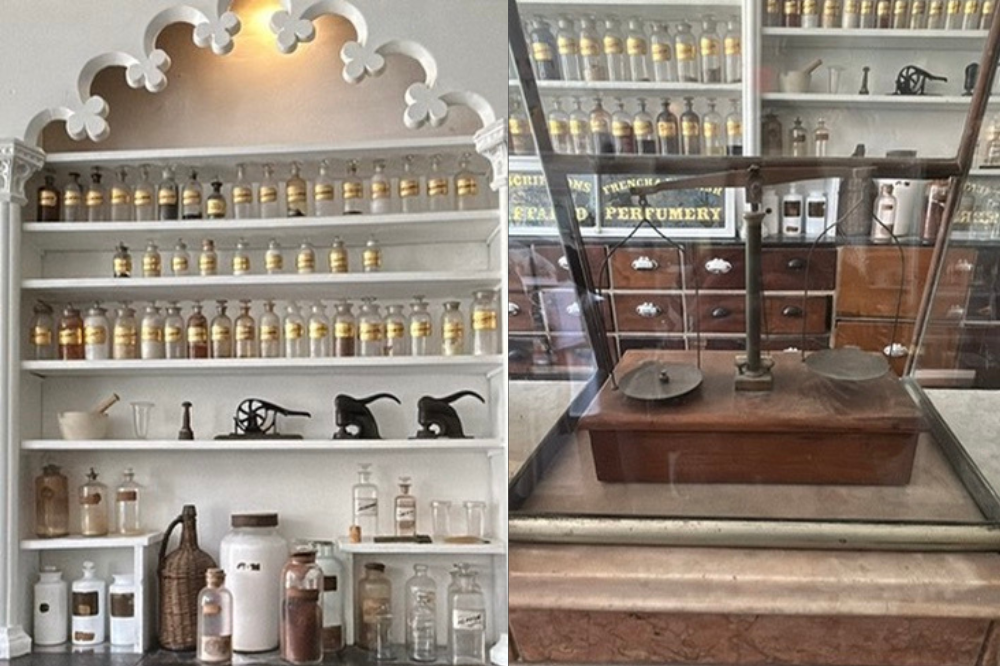
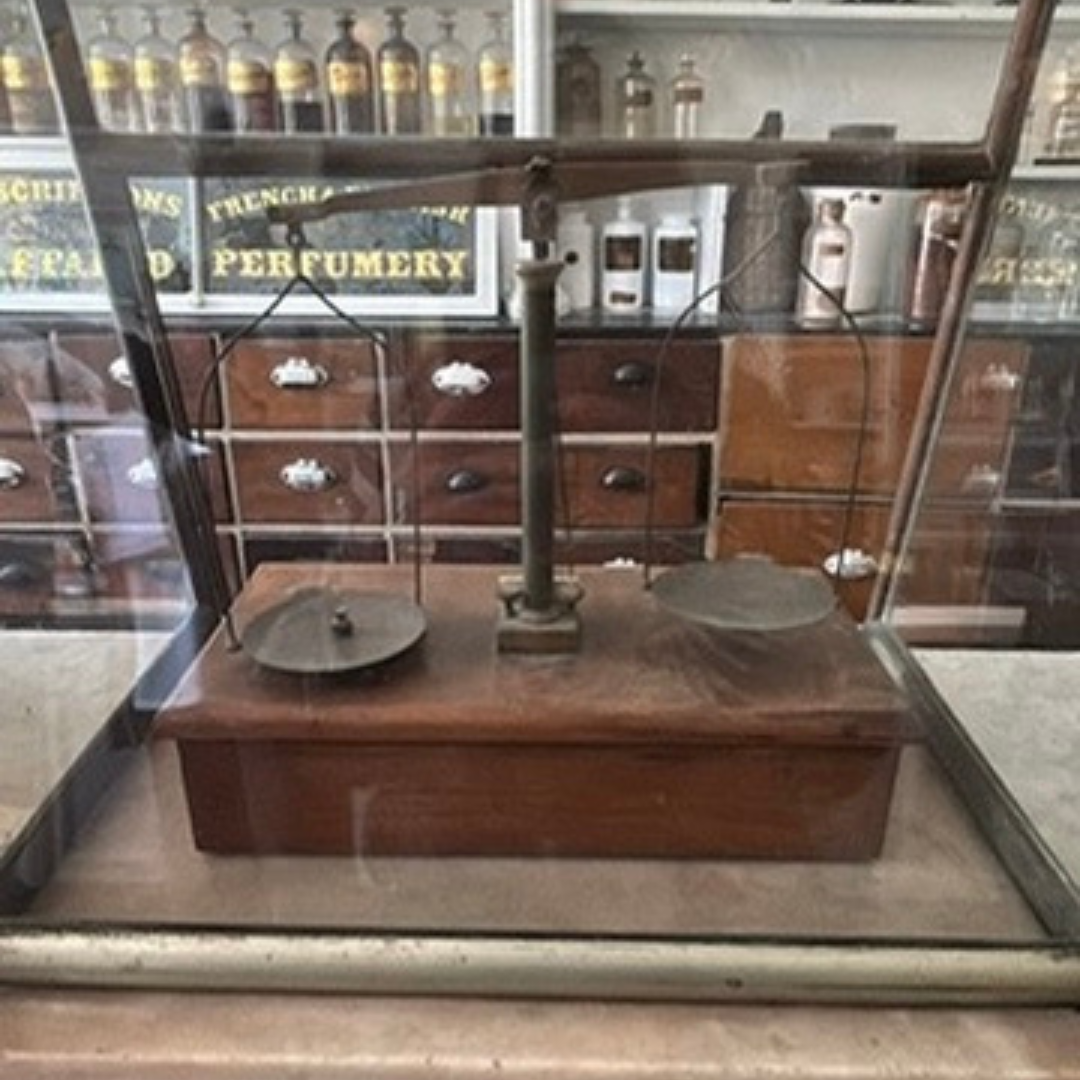
Visitors today can temporarily time-travel by visiting the apothecary, which is set up in a way to represent how it was used in the late 1700s. The cost for a self-guided tour is $5. Patrons can see the original store, including poison vials, blood-letting devices, and the glass jars that held many medicinal artifacts. There’s more than meets the eye here: the shop may be tiny, but it is packed full of treasures and interesting things.
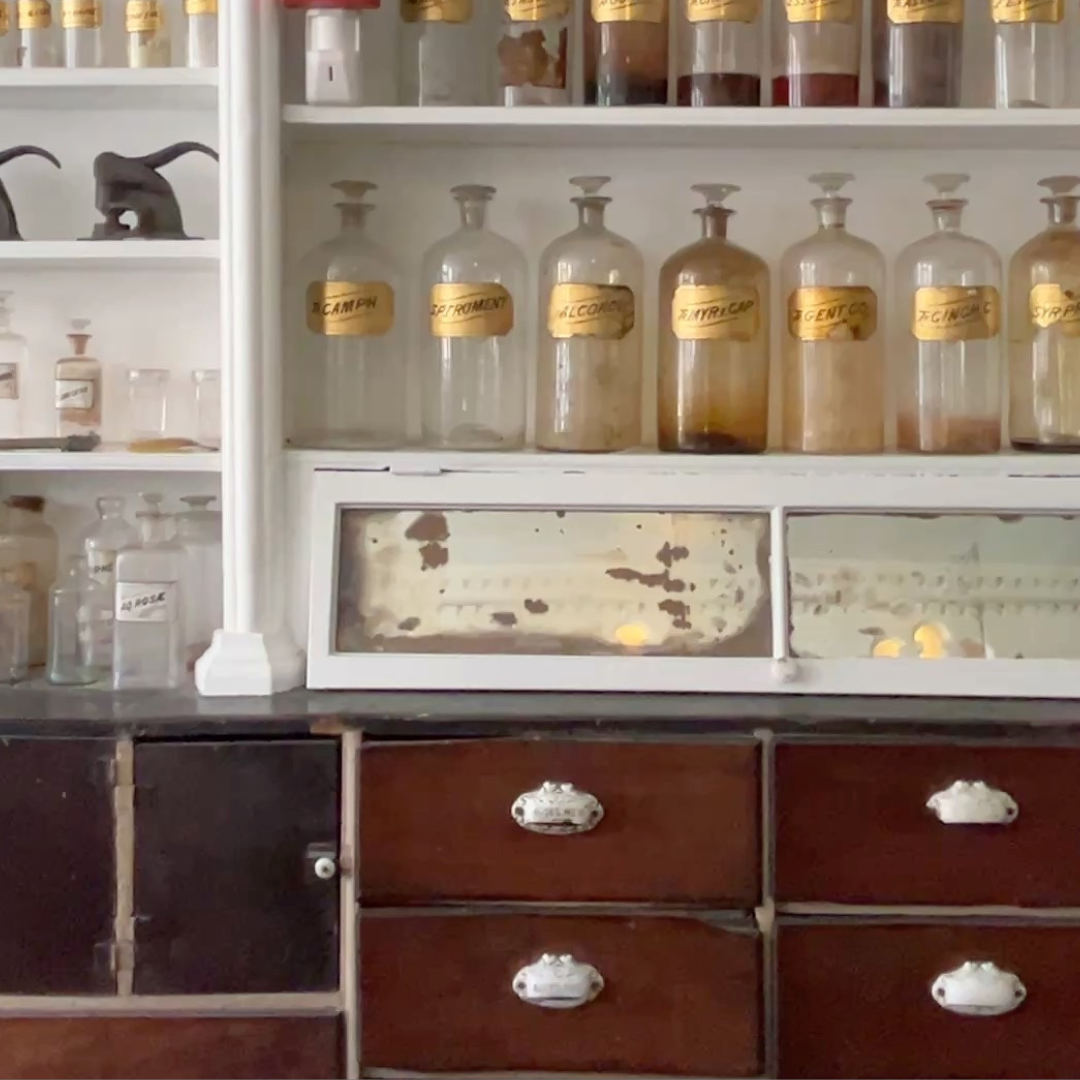
There are countless jars on the walls behind the counter, with the names of medicines. Many you’d never know unless you are an expert. You can view a letter sent by Martha Washington requesting medicine. There are also other artifacts besides just medicinal jars. Visitors can take a look at a blood-letting device, poison bottles, glasses, and dental hygiene items, all of which were sold at the museum.
The Secret Part
The guides at the museum are very knowledgeable about each historical fact, including a ‘poison expert’, who knows about which poisonous plant, like belladonna, or nightshade, was used for what medicine post-Civil War.
We added a 45-minute guided tour for $15, which allows guests access to the second floor to view the storage and workshop room. The tours happen every quarter of an hour, starting at 1:15 PM. The tour begins with the main apothecary on the first floor, where the knowledgeable tour guide gives the history and background of many items, pointing out the names of many jars behind the shop’s counter and their historical uses.
Patrons are guided behind the ledger-desk and up a flight of stairs, where the guide will explain shipments and how they were transported using a special pulley device to the attic.
The room next to the storage room is where the real magic happens. Visitors step into a full-on workspace. Every wall, including the ceiling, is covered in shelves filled with labeled containers. While it might seem like a disorganized clutter, each ingredient is organized alphabetically by material. Roots have one section, leaves have another, bark has another. Yes, even the dragon’s blood and unicorn root have a place among the containers; it truly feels like Olivander’s shop up on the second floor, just without all the wands and magic.
See more: Weird Brothers Coffee: a Herndon Staple Brewing Community, Coffee, and Compassion
This gem of a museum is full of history. Located at 105-107 South Fairfax Street in Alexandria, the Stabler-Leadbeater Apothecary Museum is a must-stop for all tourists and locals. Rich in history and artifacts, it’s worth the trip. The museum is closed Monday and Tuesday, open Wednesday – Friday from 11 AM – 4 PM, Saturday from 11 AM – 5 PM, and Sunday from 1 PM – 5 PM. Guided tours are able to be reserved in person or over the phone for $15, which start at a quarter of an hour.
Follow @thefairfaxgirl on Instagram + TikTok for the latest Northern Virginia updates, and check out our events calendar, which has over 100+ events weekly to peruse. Sign up for our newsletter here.