



 Ayaan Mukherjee
 Invasive plant species have become a growing concern across New Jersey, replacing and dominating native plants, hurting local ecosystems and making it difficult for wildlife to survive in their own environments. When not addressed, the invasive species can be expensive and very hard to remove once they establish themselves. Fair Lawn is taking a stand against the problem with a new native plants ordinance aimed at protecting local wildlife and ecosystems and bringing back native pollinators. Read on for more info about Fair Lawn’s new native plant ordinance.
About Fair Lawn’s Ordiance
Fair Lawn, NJ approved a native plants ordinance on July 21st. The law is aimed at protecting local ecosystems, fighting climate change, and bringing back native pollinators. With this new rule, 70% of all new plants, trees, shrubs, and flowers added to borough-owned land have to be native to New Jersey. The law only applies to public borough property such as public parks and recreational areas, while athletic fields and lawns are excluded. Landscapes surrounding public buildings such as Borough Hall, the Fair Lawn Community Center, and the Free Public Library are included in the law as well as grass strips between sidewalks and street curbs. Public schools are not bound by the new 70% rule.
Fair Lawn is not the only place in New Jersey with concerns about invasive species. On January 20th 2026, Governor Phil Murphy signed the New Jersey Invasive Species Management Act. The act established an Invasive Species Council while also banning unregulated sale and distribution of destructive plants. Further, specific cities are zooming in their focus on the plant problem.
Read More: Fair Lawn Launches Noise Complaint Hotline After Residents Complain About ‘Noise from Paterson’
In 2024, Jersey City passed a similar law to Fair Lawn, in which 50% of new plants have to be native to New Jersey. The percentage will increase to 70% after the third year of the law. Princeton also keeps track of its invasive species through the Municipality of Princeton Environmental Resources Portal. This has also been a nationwide trend over the past few years, with multiple states including Delaware, South Carolina and Ohio similarly banning the sale of dangerous, invasive plant species.


The Fair Lawn borough hopes the new law will help lower municipal maintenance costs, manage stormwater runoff, and allow locals to turn their own backyards into thriving habitats. Native plants use less water, fertilizer and replacement, which officials believe will save taxpayers money in the long-term. The law doesn’t change anything for residents, but the borough is trying to encourage them to follow suit.
The Importance of Native Species
Native gardening has become increasingly popular because of challenges related to climate change and a decrease in pollinators. Because of climate change, ecosystems have experienced extreme weather, droughts, and high water bills. This has made traditional lawns very difficult and expensive to maintain.. People want native plants because they don’t use fertilizer, need less watering, and help revive local ecosystems. Without them, the damage is noticeable and significant. Suburban yards that don’t have native species usually lack the plants needed to support native animal and insect species like birds, fireflies, and butterflies. Most insects rely on very specific plants during their larval stage. For example, Orange Butterfly Milkweed is a critical plant for Monarch caterpillars, and without it, caterpillar populations go down drastically, which takes away food from local birds. There is also a health aspect for humans. Yards with a lot of native plants are less likely to have ticks than yards with invasive plants.
The borough’s Garden Committee says that certain invasive plant species spread quickly and outcompete native plants and ruin local ecosystems. Once the ecosystem is already ruined, they become very hard and expensive to control. Because of that, the Garden Committee keeps a list of plants that should not be planted in the borough and tells residents to remove these species if they are already on their property. By adding native plants and staying away from invasive species, the committee says residents can directly improve the borough’s environmental health and help wildlife.
See More: The Best New Jersey Gardens to Visit This Summer
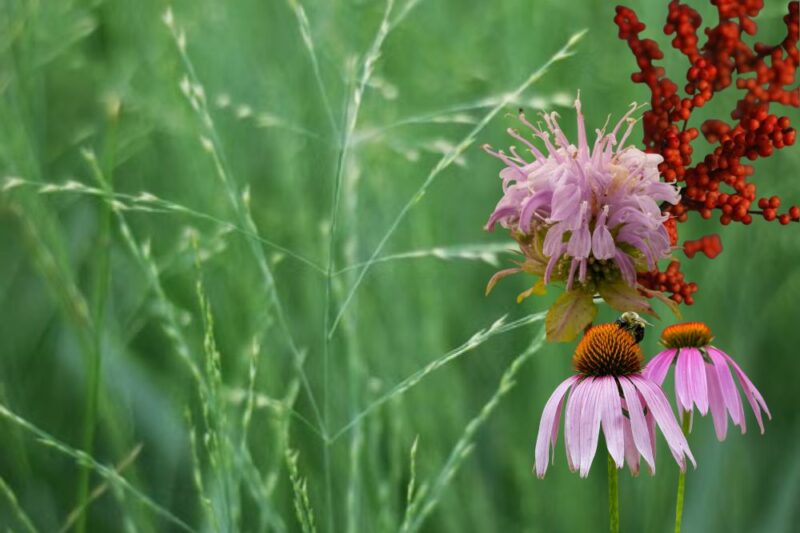
For people who want to add native plants to their yards, recommended species include flowering perennials like Purple Coneflower, Black-eyed Susan, Wild Bergamot, Blue False Indigo and White Beardtongue. Shrubs like Serviceberry and Winterberry, and grasses like Little Bluestem and Switchgrass are also recommended. Homeowners can look at the Jersey Yards plant database to find native options that are suitable for their soil and conditions or speak with the Fair Lawn Garden Committee and Green Team through fairlawn.org for tips and resources.
Follow @thebergencountygirl on Instagram for the latest Bergen County updates, sign up for our email list here that shares everything you missed each week, and check out our events calendar, which has over 30+ events weekly to peruse.