

 Olivia Fisher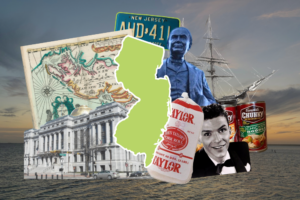
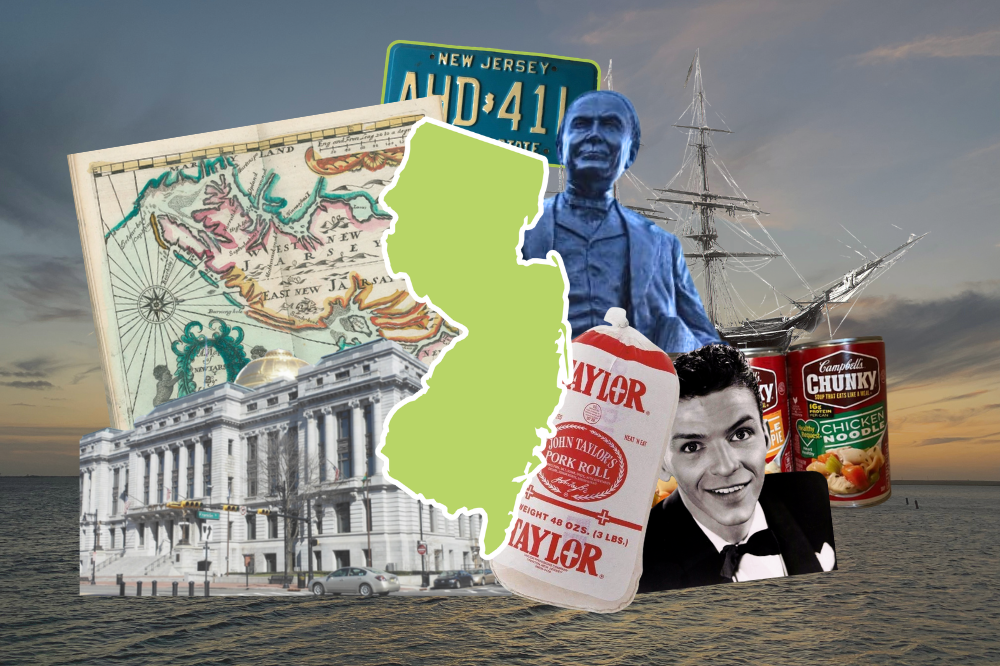
As America prepares to celebrate 250 years of independence, the Local Girl is asking the most New Jersey question imaginable: who needs the other 49? The phrase, “I love my country, New Jersey,” has taken the internet by storm, but how well would New Jersey pan out as a country? Many parts of modern life wouldn’t exist without New Jersey – the light bulb, film, and M&Ms, to name a few. We’re not saying America owes us everything; we’re just saying movies, lighting, and snacks would not be the same. Read on to learn how strong New Jersey would be as its own country.
By the Numbers
Home to roughly 9.5M people, New Jersey would be the 99th largest country by population and home to more people than El Salvador, Ireland, or Mongolia. New Jersey is 7,354.22 square miles by land and would be the 150th largest country by land, outsizing Fiji, Lebanon, Montenegro, and Jamaica.
The Economy Would Be Strong
People throughout the United States and probably the world do not realize New Jersey is an economic powerhouse. New Jersey’s gross domestic product sits at $688.1 billion in 2025 and a GDP per capita of $72,100. The Nation of New Jersey would rank among the top 25 economies in the world, ahead of Argentina, Israel, and Singapore. Now, a country this powerful would need an economy to match, and it’s a good thing New Jersey has one.
The pharmaceutical industry alone would make New Jersey a global power. Johnson & Johnson, Merck, and Becton Dickinson are all headquartered here. New Jersey would control a substantial share of the world’s medicine cabinet.
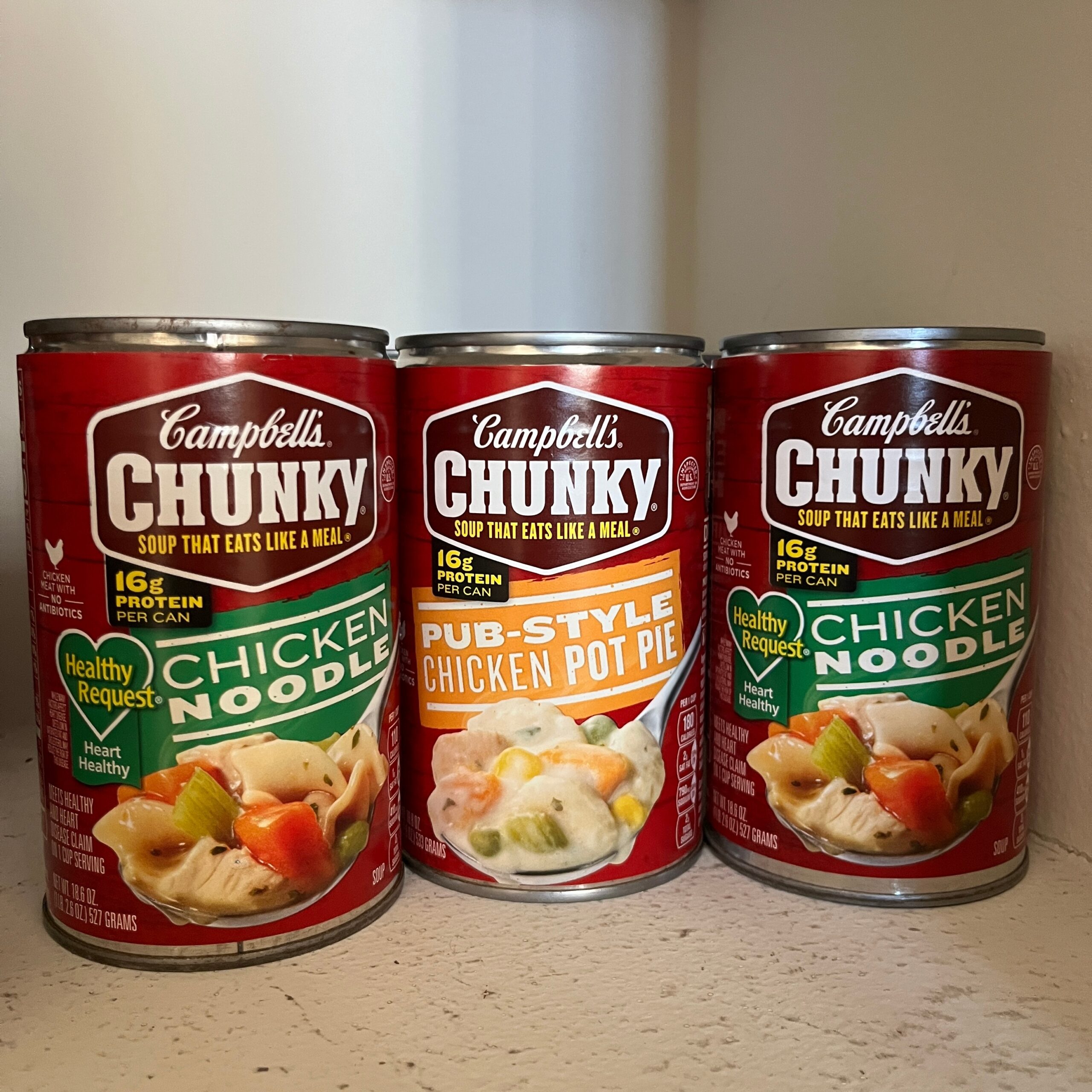
Export-wise, New Jersey is big on petroleum, specialty chemicals, and fresh produce like corn, blueberries, and tomatoes. In terms of brands, Campbell’s Soup is a strong export that New Jersey has held since 1869. Other popular food brands that have had headquarters or distribution centers in New Jersey include Bosco Chocolate Syrup, Goya Foods, Love Corn, Mars Inc, Nuts.com, and Ryl Company. While it is impossible to know which companies would actually have been part of the country of New Jersey, the region’s proximity to major population centers suggests it would still have developed a strong commercial hub.
New Jersey avoided the 18th Amendment and never instituted Prohibition as its neighbor did. Atlantic City became a hotbed for Americans looking to legally drink, and tourism exploded. Supported by businesses like Balic Winery, Laird + Company, Renault Winery, and Tomasello Winery, Atlantic City and all of New Jersey exported an immense amount of alcohol to the United States during the 13 years of Prohibition. When brands shuttered their operations throughout America, New Jersey offered them the opportunity to continue business. Once prohibition ended, New Jersey maintained its strong brewery economy in Jersey City and Newark, and wineries and distilleries in South Jersey.
Read More: Even the Knicks Needed New Jersey For an NBA Championship
Soft Power
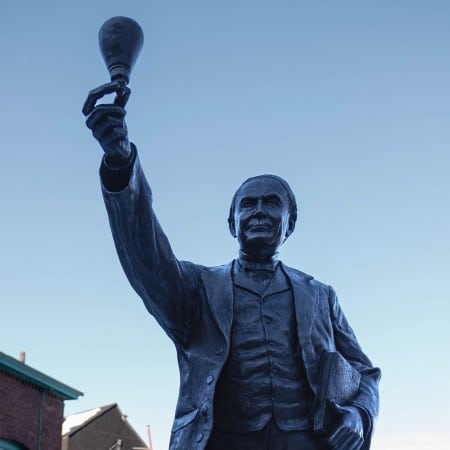
Film was created in New Jersey by Thomas Edison, and production began in Fort Lee. Holding center stage over a global craft and controlling interest over production, patents, and exports to other countries for filming, New Jersey would have immense soft power.
Pop culture, screen icons, singers, and authors, like Frank Sinatra, Whitney Houston, Queen Latifah, Meryl Streep, Danny DeVito, and the Dolan Twins, would exert immense cultural impact upon the world. Shows like Boardwalk Empire, Cake Boss, Jersey Shore, House, The Real Housewives of New Jersey, and The Sopranos would shape global perception of the country and influence tourism. Playa Bowls, Blimpie, and Jersey Mike’s would be global chains, and the diner concept would spread around the world. Tourists would flock to the Jersey Shore, Hoboken, Princeton, Lambertville, Morristown, and Vineland, enjoying small-town charm and historic spots.
National Symbols
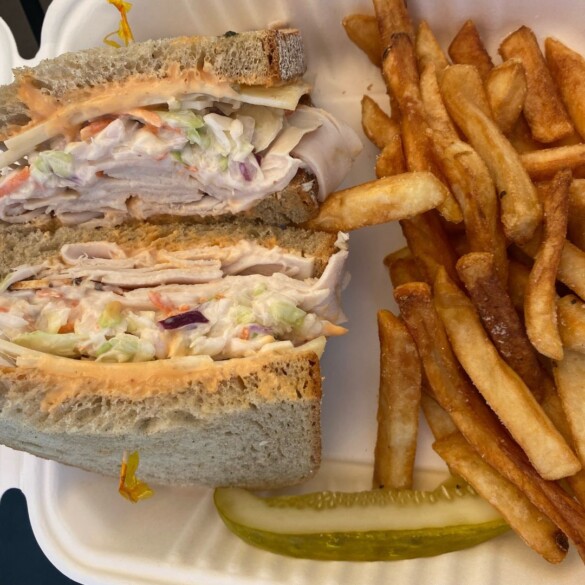
Every nation needs its symbols, legends, and institutions, and New Jersey has plenty. The national food would be recognized by those in North Jersey as Taylor Ham and those in South Jersey as Pork Roll. New Jersey dishes consumed globally would include disco fries, salt water taffy, the Italian hot dog, the Texas wiener, bagels, and the Jersey sloppy Joe. The national symbol would be the Lower Trenton Bridge, which states “Trenton Makes – The World Takes”, but instead would say “New Jersey Makes – The World Takes”.
James Lyon of Newark, who composed The Military Glory of Great Britain in 1762, was selected by New Jersey to create the national anthem “My Dear Jersey”. As a country, New Jersey would use its coat of arms, designed in 1777 with a white background. In 1984, Bruce Springsteen debuted his single “Born in New Jersey”, which would become the de facto national song of the country.
The capital is Elizabeth, with Newark as the largest city. New Jersey would have active ports in Camden, Cape May, Hoboken, Newark, Jersey City, and Salem, and international airports in Hammonton and Newark. In 1668, colonial representatives met in Elizabeth, then called Elizabethtown, with representatives from Woodbridge, Piscataway, Newark, Middletown, Shrewsbury, Bergen, and of course Elizabethtown. After the American Revolution, when New Jersey decided not to become a state, country officials debated on moving the capital to Burlington, Newark, or Jersey City, but it was ultimately decided that stability was needed and a change would be too chaotic for the young nation.
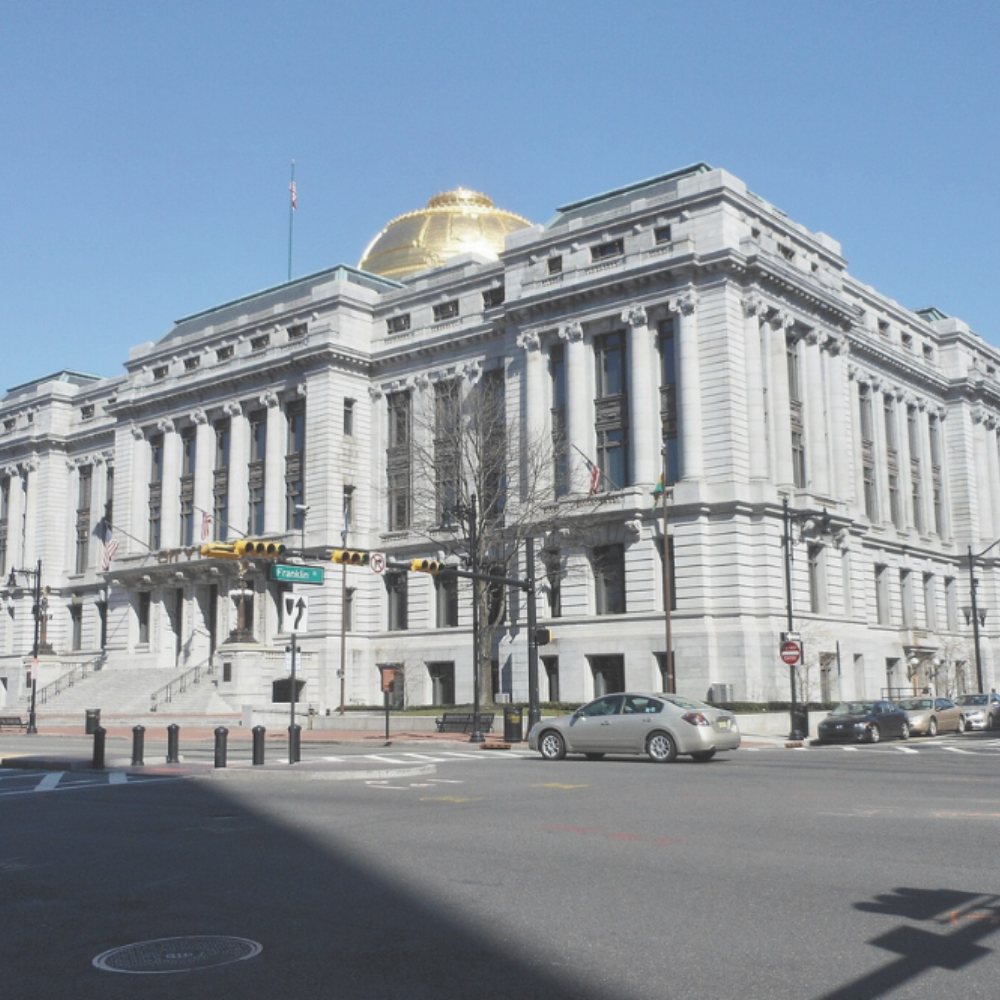
Newark grew to become the largest city in the state, spanning from the Passaic River in the east, westward to the top of the First Watchung Mountains. It never split into smaller communities like Glen Ridge, Montclair, or Orange. New Jersey, as an independent nation, limited the development of numerous municipalities and only grew to 115 separate communities.
The six active ports facilitate imports and exports. Camden and Newark are the largest, while Hoboken, Jersey City, and Salem function as reliever ports dealing with smaller-sized ships. Cape May primarily functions as a tourism port, allowing travellers to reach the area by boat from Lewes, Delaware, but retains a small capacity for commercial fishing.
Opening in 1926, the airport in Newark International Airport connected the world to the northern portion of the country and borders the capital. It is an international hub for travellers coming to New York, too. The Hammonton International Airport opened in 1947, several years after World War II. Country officials debated on an airport in Atlantic City or Trenton, finally deciding on Hammonton, a somewhat halfway point. Officials determined that travellers could fly out of the Philadelphia International Airport if needed.
See More: A Guide to the Oldest Historic Sites in Hudson County, New Jersey
Follow @thenewjerseygirl on Instagram + TikTok for the latest updates on Hoboken, Montclair, Bergen County, and more; sign up for our weekly newsletter here that shares everything you missed each week, and check out our events calendar, which has over 100+ events weekly to peruse.