



 stephanie
Love it or hate it, snow season is around the corner. Although here in Northern Virginia, it’s more like ‘snow, wintry mix, hail, sleet, or snowcrete’ season. The snow removal teams at the Virginia Department of Transportation (VDOT) prepare year-round to manage our winter weather woes. Earlier this month, representatives from VDOT and the National Weather Service (NWS) shared their winter outlook, snow removal plans, and resources for residents across Fairfax, Loudoun, Prince William, and Arlington counties. The briefing included some helpful reminders about when neighborhood streets get plowed, how to track snow removal, and why even an inch of snow can disrupt your commute. Read on for five things Northern Virginia residents should know about winter weather preparation and snow removal for the 2026–2027 season.
Winter Weather Outlook
According to the National Weather Service Baltimore/Washington office, the Mid-Atlantic has higher odds of experiencing above-average temperatures and precipitation during the 2026–2027 winter season. A strong El Niño is favored, which could increase the potential for significant coastal storms, including snowstorms.
While that might sound contradictory, a warmer-than-average winter doesn’t necessarily mean a snow-free winter. The seasonal outlook describes average conditions over several months, and cold blasts are still possible. The NWS also noted an increased potential for flooding, while emphasizing that snowfall totals remain difficult to predict this far in advance.
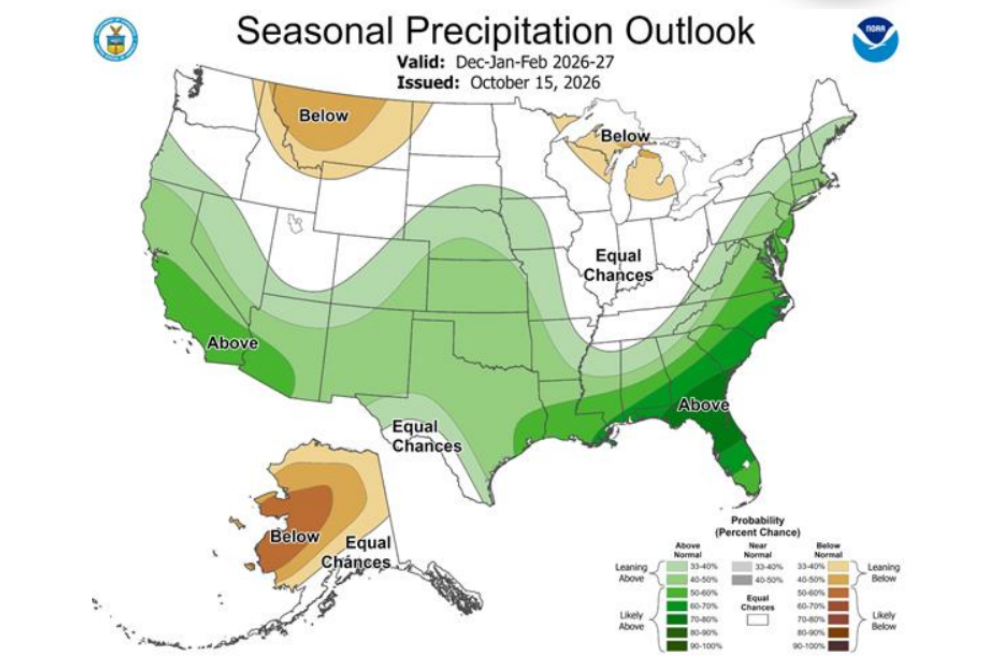 Image courtesy of NWS
Residents can follow the local National Weather Service office for forecasts and alerts. The agency also provides interactive winter weather maps showing potential snowfall accumulation, storm threats, ice accumulation, and the expected timing of precipitation.


When will neighborhood streets get plowed?
One of the biggest questions after a snowstorm is when plows will make their way into residential neighborhoods. Snow removal crews prioritize interstates, primary highways, and high-traffic secondary roads before smaller neighborhood streets. VDOT generally needs at least two inches of snow or sleet on the ground before plowing or treating neighborhood streets. Once crews reach residential areas, the busiest streets are cleared first, with cul-de-sacs among the last.
Another important distinction is that neighborhood streets aren’t necessarily cleared down to the pavement. VDOT’s goal is to create one passable lane that allows residents and emergency vehicles to safely enter and exit a neighborhood. Snow and ice may remain on the road even after a plow has passed through. Major roads have a different standard. VDOT aims to clear the full road surface on interstates, primary roads, and busy secondary routes. Roads serving hospitals, emergency responders, and other critical facilities also receive special attention.
Read more: Can’t Miss Holiday Light Shows in Northern Virginia
For context, VDOT’s Northern Virginia District oversees approximately 14,411 lane miles and 15,891 neighborhood streets, with approximately 3,200 pieces of equipment available for snow operations, most of it contracted. VDOT is also responsible for most state-maintained public roads in Fairfax, Loudoun, and Prince William counties. Arlington County maintains its own secondary road network, while incorporated cities and towns generally handle their local streets. Private roads may be the responsibility of a homeowners association or property management company. Residents can check which agency maintains their street before the next storm arrives.
How to track snow plows in Northern Virginia
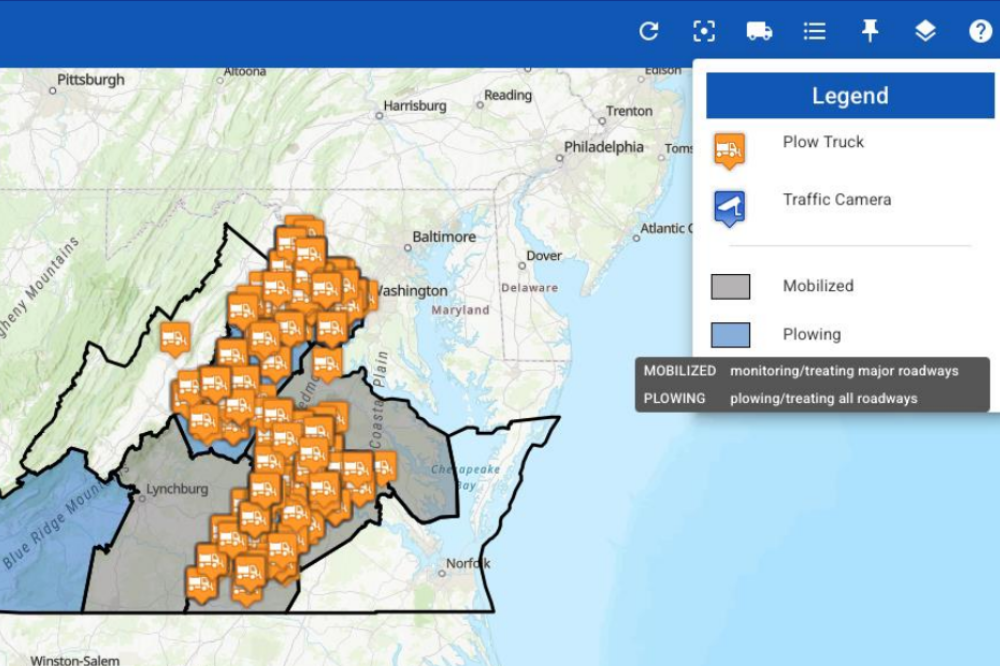
VDOT’s online Snow Plow Tracker allows residents to follow snow removal operations throughout the region. The tracker includes an address search feature, active plow locations, traffic cameras, and information about whether neighborhood plowing operations have been activated. Northern Virginia residents can also view the previous six hours of a plow’s travel history, with time-stamped location points showing where a truck has been.
The map uses gray to indicate lower-level mobilization and blue when plowing operations, including the neighborhood fleet, are active. The number of trucks deployed depends on the severity of the forecast and road conditions.
For additional travel information, Virginia 511 provides road conditions, traffic cameras, and information about crashes or closures. Residents can also call 511 for traffic information. If a state-maintained street appears to have been missed or there is another road concern, residents can submit a request through VDOT’s Customer Service Center or call 1-800-FOR-ROAD (1-800-367-7623).
Timing is Everything
The National Weather Service highlighted how one inch or less of snow can cause significant traffic problems when it falls during rush hour and road temperatures are below freezing. That combination can quickly lead to congestion, crashes, and lengthy commutes, particularly along the region’s busiest highways and commuter routes. When forecasters identify the potential for these conditions, the NWS may issue a Potential Winter Commuting Hazard Statement approximately 24 hours before the event. The statement is designed to alert drivers that even a relatively small amount of snow could have an outsized impact on travel.
Residents should also pay attention to winter storm watches, warnings, and advisories. Watches indicate that hazardous winter weather is possible, while warnings and advisories communicate more immediate expected impacts. The NWS provides a winter storm threat outlook several days before an event, followed by more detailed snowfall projections as the storm approaches. The agency has also introduced updated tools displaying potential ice accumulation, peak snowfall rates, and precipitation start and end times.
Drivers can check Virginia 511 before leaving home and review NWS forecasts for their specific area.
Be Prepared
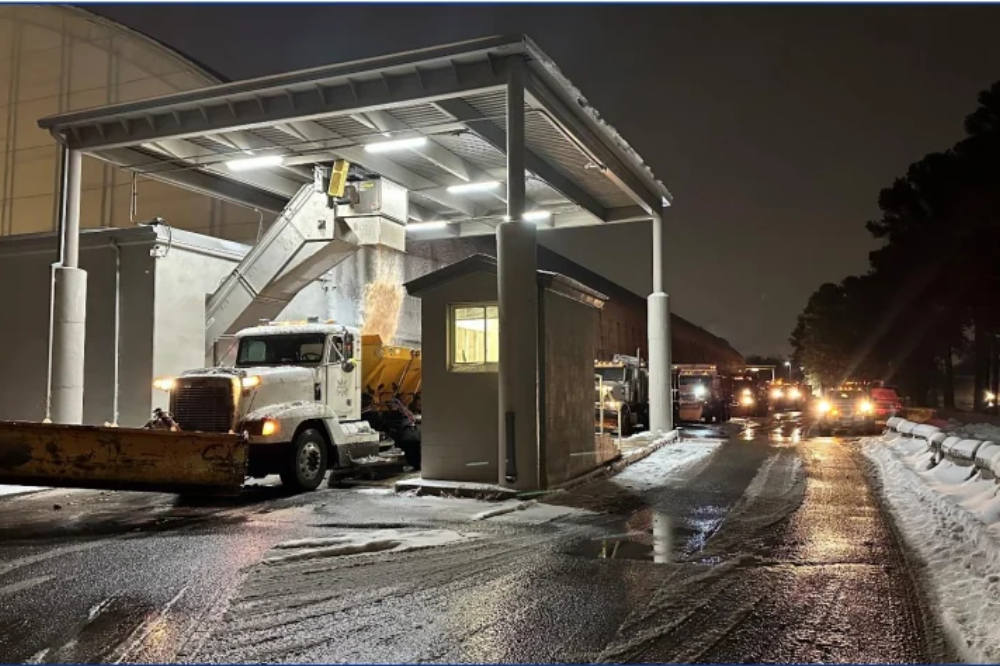
VDOT begins preparing for winter weather months before temperatures drop, including inspecting equipment, training contractors, and stockpiling salt, sand, and other materials. The preparation begins in late summer, and the season doesn’t wind down until late springtime.
When a storm is approaching, the department monitors forecasts, prepares equipment, and determines how many crews will be needed. One common preparation method is pretreating major roads with salt brine. This mixture of salt and water helps prevent snow and ice from bonding to pavement during the early stages of a storm. However, pretreatment requires suitable weather conditions, including dry pavement and temperatures above 20 degrees. VDOT does not routinely brine neighborhood streets.
Residents can help snow removal crews work more efficiently by parking vehicles in garages or driveways whenever possible. For neighborhoods with limited parking, VDOT recommends coordinating with neighbors to park on one side of the street, giving plows more room to pass. Cul-de-sacs should be as clear as possible.
Sidewalks are another consideration. VDOT does not generally clear sidewalks, and residents or businesses may be responsible for removing snow near their properties. Both Arlington County and Loudoun County have sidewalk snow removal requirements. Loudoun’s ordinance generally requires qualifying sidewalks to be cleared within six hours after snowfall ends, with different deadlines for overnight snow and certain exceptions. Incorporated towns may have their own rules.
Snow-shoveling assistance programs are also available in parts of Northern Virginia. Arlington has a Snow Buddies volunteer program, while Loudoun residents who need help can contact Loudoun Cares at 703-669-4636. Prince William County also provides winter weather resources for residents.
See more: NOVA’s Largest Outdoor Ice Rink Opens on 10/30 in Arlington
Before a storm arrives, residents should also make sure they have necessary medications, food, water, charged devices, flashlights, and basic emergency supplies available. The Ready.gov winter weather guide has additional information about preparing homes and vehicles for winter conditions.
Resources for NOVA Residents
Residents can bookmark several official resources before the next winter storm.
- VDOT Snow Plow Tracker: Follow plowing operations and see where trucks have traveled.
- Virginia 511: Find road conditions, traffic cameras, crashes, and closures.
- VDOT Winter Weather Information: Learn about snow removal priorities, road treatments, and winter driving.
- Who Maintains My Road?: Determine whether VDOT or another organization is responsible for snow removal on a particular street.
- VDOT Customer Service Center: Report road maintenance concerns or weather-related issues.
- National Weather Service Baltimore/Washington: Find local weather forecasts, watches, warnings, and advisories.
- NWS Winter Weather Maps: Explore snowfall, ice, storm timing, and potential impacts.
- Ready.gov: Review household and emergency preparedness recommendations.
Residents can also subscribe to VDOT’s Northern Virginia email updates by emailing [email protected]. The department sends daily updates during major winter weather events.
Social Media Accounts to Follow
For more frequent updates before and during a storm, VDOT Northern Virginia and the National Weather Service share information through several social media platforms.
VDOT Northern Virginia:
- Instagram: @vadotnova
- Threads: @vadotnova
- X: @VaDOTNOVA
- Reddit: u/VaDOTNOVA
- VDOT’s official social media directory, including Facebook and Nextdoor
- 511 Northern Virginia on X: @511northernva
National Weather Service Baltimore/Washington:
Follow @thefairfaxgirl on Instagram + TikTok for the latest Northern Virginia updates, and check out our events calendar, which has over 100+ events weekly to peruse. Sign up for our newsletter here.