



 The Fairfax Girl Team
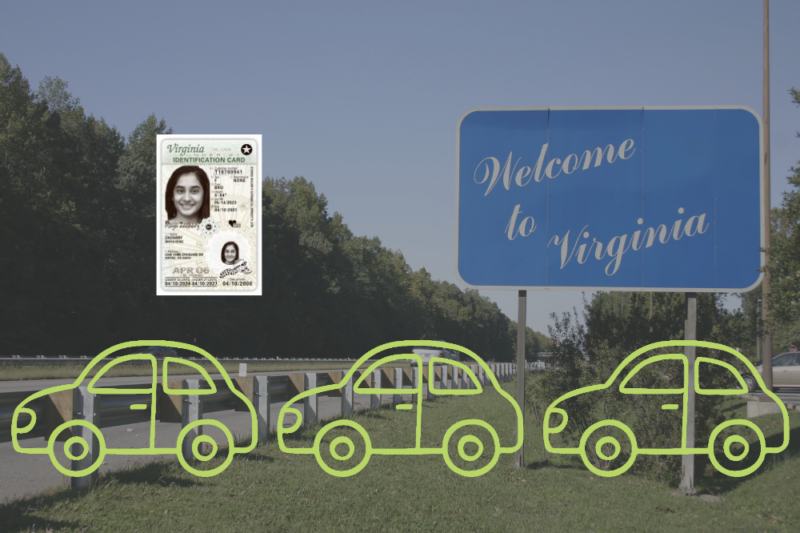
Getting a driver’s license in Virginia is about to look a little different for some first-time drivers. Beginning January 1st, 2027, Virginia residents ages 18 to 20 will face new requirements before they can get behind the wheel on their own. The changes will require some young adults to complete driver’s education and spend more time with a learner’s permit before receiving their first license. The new rules are part of legislation passed earlier this year aimed at improving road safety and ensuring inexperienced drivers receive proper training. Read on for what is changing, how Virginia’s requirements compare to neighboring states, + what first-time drivers need to know.
What Is Changing for First-Time Drivers in Virginia?
According to an announcement from the Virginia Department of Motor Vehicles (DMV), first-time drivers between the ages of 18 and 20 will soon be required to hold a learner’s permit for at least 90 days and complete a state-approved driver’s education course before receiving their license. Previously, adults 18 and older could choose between completing an approved driver education course or holding a learner’s permit for at least 60 days before taking the road skills test. Under the new policy, applicants ages 18 to 20 must complete both requirements.
Read more: We Checked Out the New Concourse E at Dulles Airport
The changes come from House Bill 1224, which was introduced by Northern Virginia Delegate Karrie Delaney during the 2026 General Assembly session and signed into law on April 13th. The legislation addresses a gap in Virginia’s licensing system that allowed teenagers to avoid mandatory driver’s education by waiting until their 18th birthday to apply for a license. Lawmakers sought to ensure that young adults receive formal driving instruction and additional practice before driving independently, with the goal of reducing risks associated with inexperienced drivers.


View this post on Instagram
The new requirements specifically apply to 18-, 19-, and 20-year-olds who have never held a driver’s license in Virginia, another state, a U.S. territory, or another country. Requirements for applicants under 18 will remain the same, including completing an approved driver’s education program, holding a learner’s permit for at least nine months, and documenting 45 hours of supervised driving, including 15 hours after sunset. First-time applicants ages 21 and older will also keep their existing options: completing an approved driver’s education course or holding a learner’s permit for at least 60 days.
How Does Virginia Compare to Other States
Virginia’s updated rules bring the Commonwealth closer to some neighboring states that already require driver’s education for young adults. In Maryland, for example, first-time drivers ages 19 to 24 generally must hold a learner’s permit for at least three months, complete a certified driver’s education course, and log 60 hours of supervised driving, including 10 hours at night. Maryland’s required course includes 30 hours of classroom instruction and six hours of behind-the-wheel training. The state also uses a graduated licensing system, meaning new drivers receive a provisional license before becoming eligible for a full license.
In North Carolina, first-time drivers ages 18 and older can apply directly for a driver’s license after passing the required knowledge, road sign, vision, and driving tests. They are not generally required to complete a driver’s education course or hold a learner’s permit for a specific period first. This means Virginia’s new rules will be more restrictive for young adult applicants than those in some neighboring states, while remaining less extensive than Maryland’s licensing process in certain respects.
What Do New Drivers Need to Know?
For Virginians planning to get their first license in early 2027, timing will be important, as will the applicant’s age. The new requirements will apply even to applicants who obtain their learner’s permit before January 1st, although any time already spent holding the permit will count toward the required 90 days. For example, someone who receives a learner’s permit on November 1st, 2026, would reach the 90-day mark on January 30th, 2027. However, that applicant would still need to complete an approved driver’s education course and meet all other licensing requirements before receiving a license.
See more: Washington Commanders QB Sam Hartman is the Next Bachelor
The DMV also notes that applicants will not need to submit their driver’s education completion certificates themselves. Once the course is completed, the driving school will send the certificate directly to the DMV. After all licensing requirements are satisfied, the DMV will mail the license to the address on file. Applicants should make sure their mailing address is current, since the U.S. Postal Service does not forward driver’s licenses.
For those preparing to apply, the best first step is to review the DMV’s updated licensing requirements and frequently asked questions. The agency also provides information about applying for a driver’s license, including required identification documents, testing, and approved driver training programs.
Follow @thefairfaxgirl on Instagram + TikTok for the latest Northern Virginia updates, and check out our events calendar, which has over 100+ events weekly to peruse. Sign up for our newsletter here.