
 Erin Lanahan
 Data Centers are popping up all over the country, boosting the AI industry and, consequently, a lot of Americans’ energy bills. In the US alone, there are nearly 5,400 data centers built or approved for construction. In New Jersey, there are nearly 80 data centers slated for construction or already online, serving AI, cloud computing, and financial services. Residents across the state continue to push back against the construction of these massive facilities, annoyed with site noise and inflated energy costs. State lawmakers passed legislation in March of 2026 that would make sure these data centers pay their own electricity bills instead of passing those costs onto regular utility customers. Read on for a breakdown of the proposed bill to keep data center energy costs out of New Jersey residents’ bills.
A Closer Look At Data Centers In New Jersey
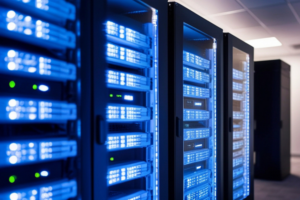
Out of the nearly 80 data centers in New Jersey, most sites are concentrated in parts of North Jersey, like Secaucus, Piscataway, Newark, and Clifton, per datacenters.com.
The construction of these data centers doesn’t seem to be welcome among many locals. Most recently, South Jersey residents rallied against a proposed plan to build one of the state’s largest AI data centers in Vineland. The $17 billion site would cover 2.6 million square feet and supply AI computing power to Microsoft. Residents located close to the project complained about hearing a constant humming noise and are rallying to stop construction, per NJ.com.
View this post on Instagram


A big concern with all these data centers going up is energy usage. These sites run 24 hours a day, seven days a week. A facility in Piscataway that measures over 360,000 square feet is the largest AI data center in New Jersey, and it currently uses enough energy to power 44,000 households, per ABC7NY.
Read More: New Jersey Budget 2027: What’s In Governor Sherrill’s Proposal?
Rutgers University took a closer look at how AI data centers impact energy costs. The report found that the average household’s total utility costs are $122 more per month compared to 2020, and argues that AI data centers are a significant part of the increase. The research showed that regular households tend to subsidize the electricity needs of several data centers. Yet, it’s more complicated than just blaming data centers. The report found the bigger driver of bills is the aging power grid that wasn’t designed to take on the massive demand of these data centers.
The report also highlights a serious data gap. While it’s known that energy costs are rising, there’s little household-level evidence of the direct impact from AI centers. The Rutgers team is launching a pilot study in both New Jersey and Virginia, paying 200 households to share their actual electricity bills to measure the real impact at the zip-code level.
The Proposed Data Center Bill
NJ Bill A796, introduced in January of 2026, aims to protect Jersey billpayers by making sure massive data centers pay their own electricity costs rather than passing those costs onto regular Jersey households.
This bill targets large load data centers, or facilities that request 100 megawatts or more of peak electricity at a single location. That amount of electricity could power 67,000 to 100,000 NJ households, depending on peak demand.
Within 180 days of this bill becoming law, electric utilities must file applications with the state Board of Public Utilities to create a separate rate tariff that would only apply to these large data centers. The tariff would ensure all costs associated with the data center are assigned directly to that data center and not spread across New Jersey residents. The tariff also must incentivize these data centers to develop and utilize methods to increase energy efficiency, including mcapturing and reusing the heat these centers generate.
See More: New Executive Order Requires NJ Transit To Clean Up Its Act
According to the proposed legislation, data centers must financially commit to paying for at least 85% of their requested service for a minimum of 10 years and must post deposits or financial security upfront to protect ratepayers. Plus, regular ratepayers, meaning Jersey households, can’t be made to subsidize data center electricity costs and can’t be left on the hook if a data center shuts down or uses less power than promised.
The Assembly passed this bill, but it still needs to pass in the Senate. After that, Governor Mikie Sherill, who ran her campaign on lowering utility costs for New Jersey residents, has to sign it before it becomes law.
Follow @thelocalgirlhq on Instagram + TikTok for the latest updates on Hoboken, Montclair, Bergen County, and more, sign up for our weekly newsletter here that shares everything you missed each week, and check out our events calendar, which has over 100+ events weekly to peruse.