




 Erin Lanahan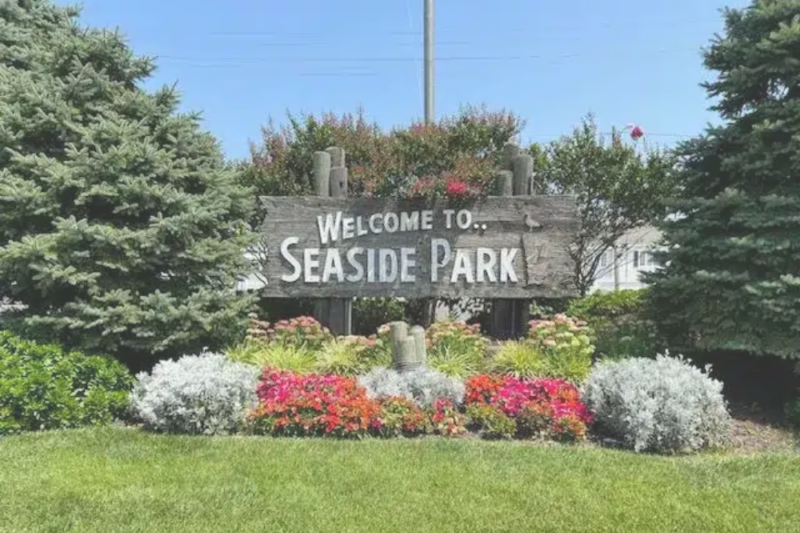
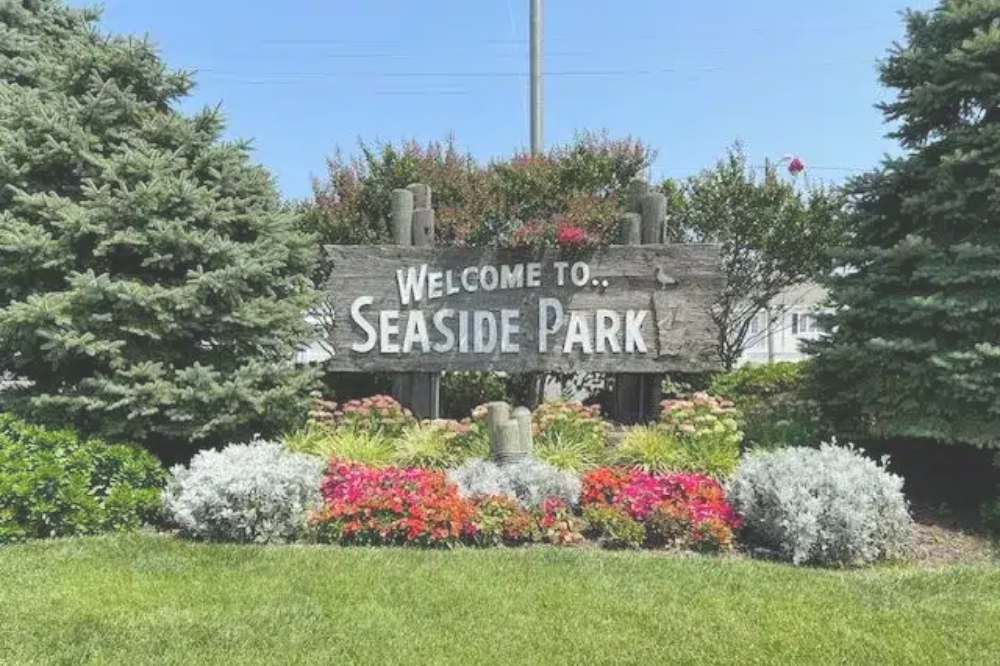
Some Jersey Shore locals will be changing towns without moving. Seaside Park voted to annex 168 acres of Berkeley Township during a town meeting on March 30th, 2026. It took over a decade, but the New Jersey Supreme Court ruled in 2025 that South Seaside Park met the legal requirements to secede from Berkeley Township and merge with Seaside Park. A recent study found the impact of the merger would be more positive than negative. Here’s a look at what happens next now that Seaside Park voted to annex South Seaside Park.
The South Seaside Park Petition
South Seaside Park is a small community comprising about 10 blocks and 500 year-round residents. According to New Jersey law, land in one municipality may be annexed, or joined, to another municipality that shares a common border. To do so, a petition must be presented to the governing body of the municipality the petitioners want to join. It must be signed by at least 60% of legal voters from the original municipality and agreed to by at least two-thirds of their governing body.
Read More: Historic Asbury Park Carousel Building Officially Closed Amid Structural Warnings
The process began back in 2014 when South Seaside Park residents petitioned the Township Council, looking to leave Berkeley Township and join Seaside Park Borough. The Township Council referred the petition to the Planning Board, which conducted 38 hearings between 2015 and 2019. The group of residents argued South Seaside Park is geographically isolated from Berkeley Township, forcing them to drive nearly 16 miles through other towns to reach the mainland. They also argued that South Seaside Park has limited municipal facilities and relies more on Seaside Park for services. The residents argued that leaving wouldn’t significantly harm Berkeley Township and would benefit South Seaside Park economically and socially.
The residents argued that the Planning Board’s professional planner, who was supposed to be impartial, actually helped the Township in opposing the deannexation. Some Planning Board members reportedly made public comments against the petition, according to the residents petitioning for the deannexation. When the Planning Board recommended denying the petition, the Township followed that recommendation.
The residents then sought judicial review of the Township Council’s decision. The trial court found the Planning Board’s process was biased, the denial was arbitrary and unreasonable, leaving would not significantly harm Berkeley Township, and the denial was detrimental to the economic and social well-being of South Seaside Park residents. The Appellate Division affirmed the trial court’s decision.
In April of 2025, South Seaside Park residents filed a petition with the New Jersey Supreme Court to secede from Berkeley Township and join the Borough of Seaside Park. In July 2025, the New Jersey Supreme Court agreed with lower courts, allowing South Seaside Park to continue plans to merge with Seaside Park.
Annexation Impact Study
Since the New Jersey Supreme Court ruled South Seaside Park could seek deannexation, the town continued working toward a merger with Seaside Park.
According to the Seaside Park website, “the governing body must consult with financial, engineering, planning, legal, and many other professionals to make competent, informed decisions in the best interest of all parties. While there is no specific timeframe for when the governing body must vote, the governing body wishes to proceed with their careful consideration of all relevant data as expeditiously as possible.” The town says it contracted Government Strategy Group, a management consulting firm dedicated to supporting New Jersey government entities, to conduct an Annexation Impact Study.
The report was shared on Seaside Park’s website. It breaks down the impact the merger would have on taxes, public safety, utilities, and other general government services. The study found tax rates would go down, dropping nearly 8% for Seaside Park taxpayers.
Berkeley Township would lose roughly 10% of its tax base. Because the town is losing several assets without compensation, WHYY reports the township may have to sell off some assets and pull back on services like garbage collection, policing, and fire and emergency medical services coverage to ease pressure on taxpayers.
See More: 16 Beaches Accessible by Public Transit from Hoboken + Jersey City
The merger is still not final. There will be 60 days for Berkeley and Seaside Park to work out the details. This is when Seaside Park will learn how much debt the town is taking on from Berkeley. The committee, made up of three representatives from each town, will have to come to an agreement within those 60 days. If they can’t, the court gets involved, choosing three people to come up with a solution within 30 days. This decision would be final, and court costs would be split between the two towns.
Have Towns In New Jersey Merged Before?
It’s rare, but there have been times when New Jersey towns have merged. In 2021, the borough of Pine Valley in Camden County voted to consolidate into Pine Hill. In 2013, Princeton Borough and Princeton Township merged, creating an 18-square-mile municipality. In 1997, Pahaquarry Township dissolved and merged with Hardwick in Warren County after the federal government acquired most of its land. In the late 19th century, Bergen City, Hudson City, and Greenville Township all merged with Jersey City, expanding Jersey City’s size.
Follow @thejerseyshoregirl_ on Instagram for the latest Jersey Shore updates, sign up for our weekly newsletter, and check out our events calendar featuring 40+ local events every week.